The Defender Trio: Building a Responsible Home Defense Foundation
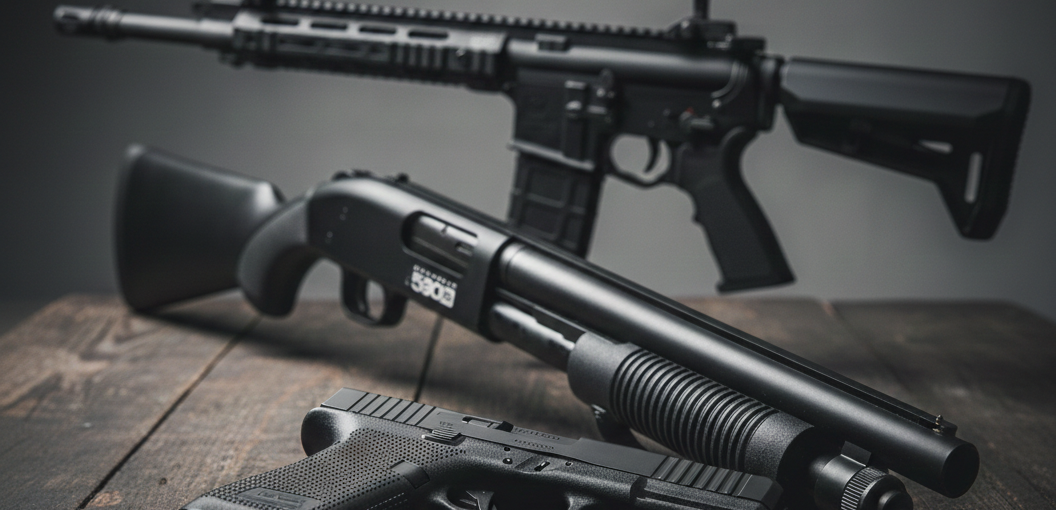
In discussions of home defense, the conversation often centers on responsibility, preparedness, and the right tools for the job. For those who choose to own firearms for the protection of their home and family, a thoughtful, layered approach is often most effective. Many experienced firearms instructors and defense professionals point to a specific combination of firearms that cover a wide range of potential scenarios: the shotgun, the AR-15 platform rifle, and the 9mm pistol, often exemplified by the ubiquitous Glock. This “Defender Trio” isn’t about collecting gear, but about building a versatile and capable foundation. Let’s explore why these three platforms, combined with serious training and preparation, create a comprehensive home defense strategy.
1. The Shotgun: The Unquestionable Stopping Power
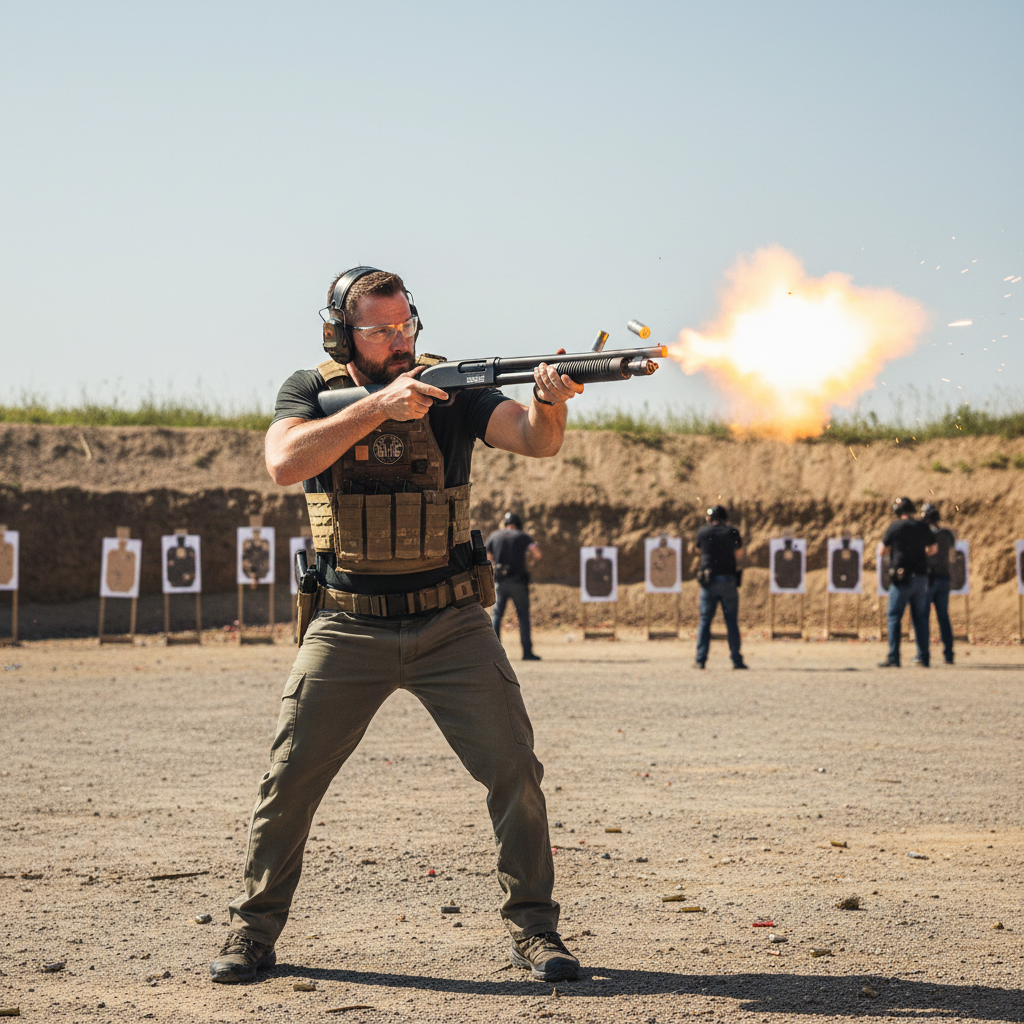
Role: Intimate, high-stakes home defense.
The 12-gauge shotgun is a timeless choice for home defense for one primary reason: its unparalleled stopping power at close range. In the confines of a hallway or room, the sound of a pump-action shotgun being racked is a universally recognized deterrent. Loaded with quality #4 Buck or 00 Buck shot, it delivers multiple projectiles with a single trigger pull, increasing the likelihood of a decisive stop while reducing (but not eliminating) over-penetration concerns compared to a rifle round. It’s a dedicated, powerful tool for the most critical, close-quarters situation.
2. The AR-15: The Versatile Defensive Rifle

Role: Versatile, controllable, and precise defense.
The AR-15 is often misunderstood in popular culture. For home defense, its advantages are numerous:
-
Low Recoil: The .223/5.56 round in a properly configured AR-15 has significantly less felt recoil than a shotgun, allowing for faster, more accurate follow-up shots.
-
Accuracy: With a red-dot sight, it allows for precise shot placement, which is the ultimate key to stopping a threat.
-
Reduced Over-Penetration: Contrary to myth, properly chosen defensive rifle rounds (e.g., lightweight, fragmenting projectiles) are less likely to over-penetrate through walls than handgun rounds or buckshot, increasing safety for other family members or neighbors.
-
Capacity: Standard magazines offer 30 rounds, providing a substantial capability to handle unlikely but extreme situations.
3. The Glock 9mm: The Constant Companion
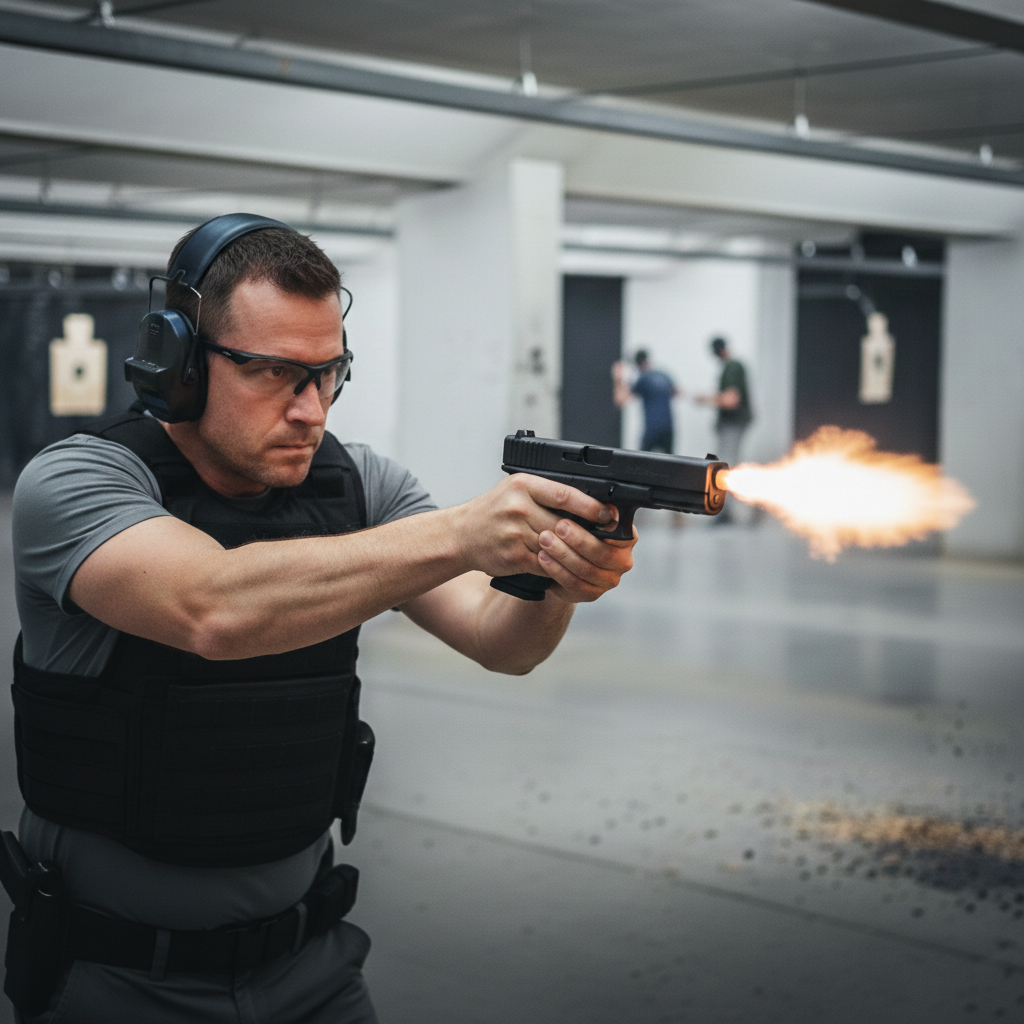
Role: Accessible, portable, and the first line of defense.
A reliable 9mm pistol, like a Glock 19, serves a different purpose. It’s the firearm you can have securely staged in a quick-access safe by your bedside, or on your person if you must move through the home to secure children. The 9mm offers an excellent balance of manageable recoil, sufficient capacity (typically 15+ rounds), and proven terminal performance with modern defensive hollow-point ammunition. Its compact size makes it the most accessible tool in the trio.
The Non-Negotiables: Training and Sustainment
Owning these tools means nothing without the commitment to proficiency and safety. The hardware is useless without the software—your skill and judgment.
Training Frequency:
-
Minimum Commitment: Seek professional instruction initially. After that, a minimum of a few hours of dry-fire practice weekly and a live-fire range session monthly is essential to maintain basic proficiency.
-
Recommended Standard: To become truly competent, bi-weekly live-fire sessions combined with regular dry-fire are the goal. Consider defensive handgun and carbine courses at least annually to sharpen skills under professional guidance.
Ammunition Stocking:
Ammo is for three purposes: training, proficiency, and defense. A responsible stock reflects all three.
-
Shotgun: Keep a minimum of 250 rounds of your chosen defensive buckshot. Add several cases (250-500 rounds) of low-recoil target load for practice.
-
AR-15: A baseline stock of 1,000 rounds of quality training ammunition (FMJ) is a good start. For defense, have at least 300-500 rounds of trusted, barrier-blind or fragmenting defensive hollow points.
-
9mm Pistol: Similar to the rifle, 1,000 rounds of training FMJ is a solid foundation. For defense, maintain 500+ rounds of premium jacketed hollow-point (JHP) ammunition.
Remember, these are minimums for a prepared individual. Ammunition supplies can fluctuate, and consistent training depletes stock.
The Ultimate Component: Your Mindset
The “Defender Trio” provides tools for various layers of a defensive plan. But the most critical element is you. A home defense strategy must prioritize:
-
De-escalation: Avoiding conflict is always the best outcome.
-
Situational Awareness: Being alert to potential threats before they become emergencies.
-
Secure Storage: Using quick-access safes to prevent unauthorized access, especially by children or visitors.
-
Legal Knowledge: Understanding the laws regarding the use of deadly force in your state.
The goal of home defense is the preservation of life, starting with the lives of your family. The responsible ownership of these firearms, paired with an unwavering commitment to training and a sober, legal mindset, creates not just a collection of equipment, but a comprehensive foundation for protection. It’s a serious responsibility, but for those who choose to accept it, being prepared with the right tools and the right skills is the ultimate form of insurance.