
The 12 Best Emergency Generators for 2026 — Complete Buyer's Guide for Every American Family

Advertisement
The lights go out at 3 AM on a Tuesday in July. It's 94 degrees outside. Your wife is nine months pregnant, the AC is dead, your fridge is thawing, and the utility company's automated line says "estimated restoration: 36-48 hours." This is when you find out what kind of emergency prep you actually have — not the kind you post about, the kind that works at 3 AM.
The right generator is the difference between a bad night and a bad week. Buy it BEFORE you need it. Buy it once.
Every year, more American families reach the same conclusion: the grid isn't as reliable as we were promised. Hurricane season, ice storms, wildfires, cyber attacks, planned rolling blackouts — the excuses change, the outages don't. If you live anywhere between Florida and Michigan, you've either lost power for more than 48 hours in the last two years or you know someone who has.
This isn't a doomer prepper post. This is a Buy Once. Cry Once. guide to picking the right emergency generator for YOUR home, your family, your budget, and your climate. We ranked the 12 best emergency generators you can actually buy in 2026 — across all four categories (solar power stations, dual-fuel portable gas, pure inverter, whole-home standby) — worst-to-first. Read on.
What kind of emergency generator do you actually need?
Before you scroll to the ranked list, answer these four questions honestly. The right answer for a Miami condo owner is completely different from the right answer for a Michigan homeowner with a well pump.
Question 1 — How long a blackout are you planning for? A 4-hour outage twice a year needs a different solution than a 5-day hurricane recovery. Solar power stations are perfect for the first scenario. Whole-home standby generators are the answer for the second. Getting this wrong = either overspending by $10,000 or being out of power on day 3.
Question 2 — What are you keeping running? Fridge + a few lights + phone chargers (~600W)? Add AC or electric water heater (~4,000W)? Add well pump + sump pump + electric range (~10,000W)? Add whole-home HVAC + electric everything (~24,000W)? The wattage number determines your category before anything else does. Undersize and you'll trip breakers. Oversize and you'll waste money.
Question 3 — Can you store fuel safely? If yes, dual-fuel gas generators give you the most power per dollar. If no (apartment, HOA restrictions, small yard), solar + battery is your only real option. Propane extends storage life vs gasoline (gas goes stale in 6 months, propane lasts decades in tanks).
Question 4 — What's your install situation? Portable generators = zero install, use an extension cord or a $500 interlock kit on your breaker box. Whole-home standby = $3,000-$10,000 for the electrician, gas plumber, and permit. Both work — just know which you're actually signing up for.
The 4 categories, and what each does best
Solar / Portable Power Stations (silent, apartment-friendly, limited runtime). A lithium battery + inverter + solar-input port in one box. EcoFlow, BLUETTI, Jackery, Anker dominate here. No fumes, no gas storage, silent operation, safe indoors. Downside: capacity is finite (a 6kWh unit runs a fridge for 24-48 hours). Solar panels extend runtime but only in daylight. Best for: apartment dwellers, short outages, off-grid weekends, RV.
Dual-Fuel Portable Gas Generators (highest power per dollar, needs outdoor placement). Runs on gasoline OR propane. 9,500-13,000W surge, enough to run a fridge + AC + well pump + lights simultaneously. Loud (65-72 dBA at 25 feet). Must be operated OUTSIDE the home (carbon monoxide kills). Fuel must be stored. Best for: homeowners with garage/shed for storage, 2-5 day outage prep.
Pure Inverter Generators (quiet, clean power for electronics, lower capacity). Honda EU2200i is the gold standard — 2,200W, whisper-quiet (48 dBA), clean sine-wave power safe for laptops and CPAP machines. Higher-end models like the Honda EU7000iS scale up to whole-house use. Costs more per watt than dual-fuel. Best for: campers who don't want to hear the generator, sensitive electronics, apartment terraces (small models).
Whole-Home Standby Generators (auto-start on outage, months of runtime, big install cost). Generac Guardian is the market leader. Permanently installed outside your house, wired into your breaker panel with an automatic transfer switch. When the grid drops, it starts itself within 10-30 seconds. Runs on natural gas from the utility line (unlimited runtime) or propane from a large tank (weeks of runtime). Best for: homeowners who want zero-effort resilience, are in outage-prone areas, and can spend $8K-$20K installed.
The 12 best emergency generators you can buy right now
Ranked worst-to-first — meaning #12 is the entry point (cheapest, most portable) and #1 is the crown jewel (most powerful, whole-home resilience). Every CTA below opens the product page where you can check current price + availability. Prices shown were current at publish time; verify before buying.
#12
EcoFlow DELTA 2 Max
EcoFlow · Solar / Portable Power Station
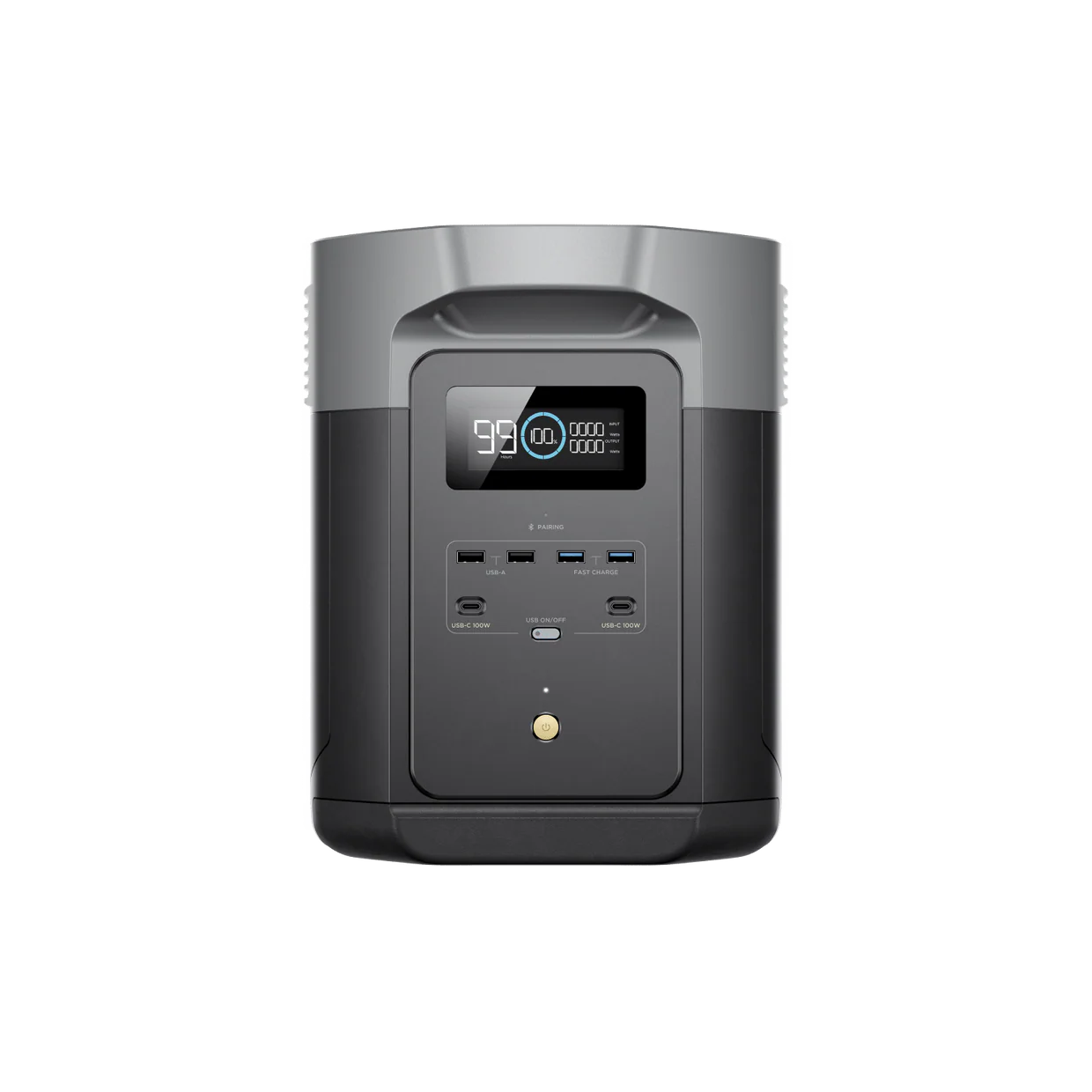
Price: $1,029 · Capacity: 2,048Wh (expandable to 6,144Wh) · Output: 2,400W AC (3,400W with X-Boost)
2,048Wh LFP battery, 3,000 cycles to 80% (~10 years daily use)
2,400W AC output, X-Boost handles up to 3,400W surge loads
1,000W max solar input; full recharge from wall in under 2 hours
Why it's on this list: The entry-tier bridge into the solar-generator category. Enough juice to run a fridge, CPAP, modem, and lights through a multi-day outage without breaking $1,100.
#11
Champion 4500W Dual Fuel Inverter Generator
Champion · Dual-Fuel Portable Gas Generator
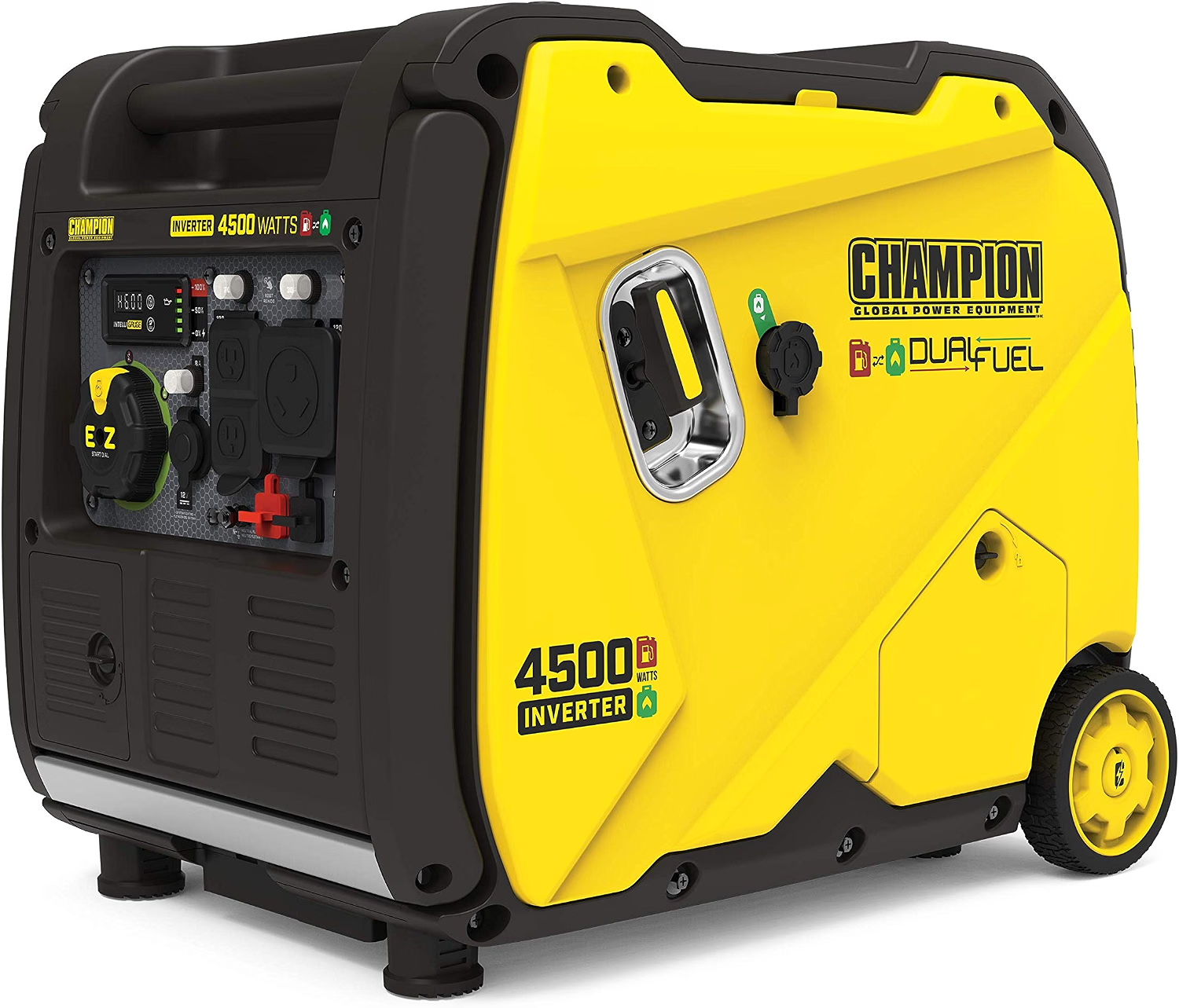
Price: $1,199 · Capacity: 2.25 gal gas tank / 20-lb LPG cylinder · Output: 4,500W starting / 3,500W running
212cc engine, electric start, runs 14 hrs on gas or 21 hrs on propane
Quiet Technology at 61 dBA, parallel-capable for double the power
Clean inverter power (<3% THD) safe for laptops, TVs, sensitive electronics
Why it's on this list: The affordable dual-fuel inverter that hits the sweet spot for most homeowners. Propane means you can stockpile fuel without worrying about gasoline going stale.
#10
Honda EU2200i
Honda · Pure Inverter Generator
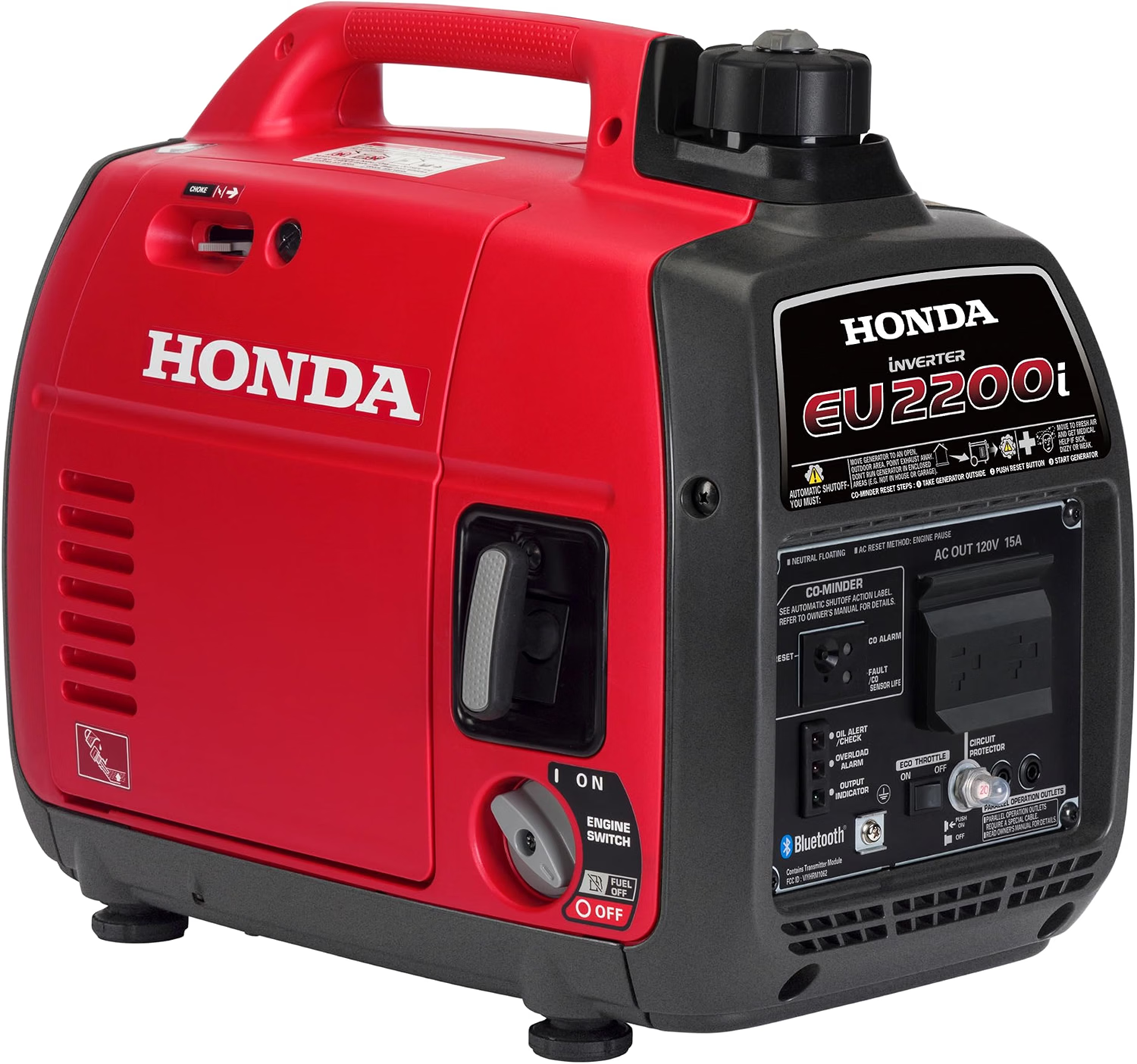
Price: $1,199 · Capacity: 0.95 gal fuel tank · Output: 2,200W starting / 1,800W running
48-57 dBA — quieter than a conversation, neighbor-friendly on the driveway
3.2 to 8.1 hour run time with Eco Throttle System
CO-MINDER carbon monoxide auto-shutdown; parallel-capable to 4,400W
Why it's on this list: The industry benchmark. Ask any contractor, RVer, or tailgater — a Honda EU2200i has been the standard 2,000W inverter generator for over a decade for a reason.
#9
Westinghouse WGen9500DF
Westinghouse · Dual-Fuel Portable Gas Generator
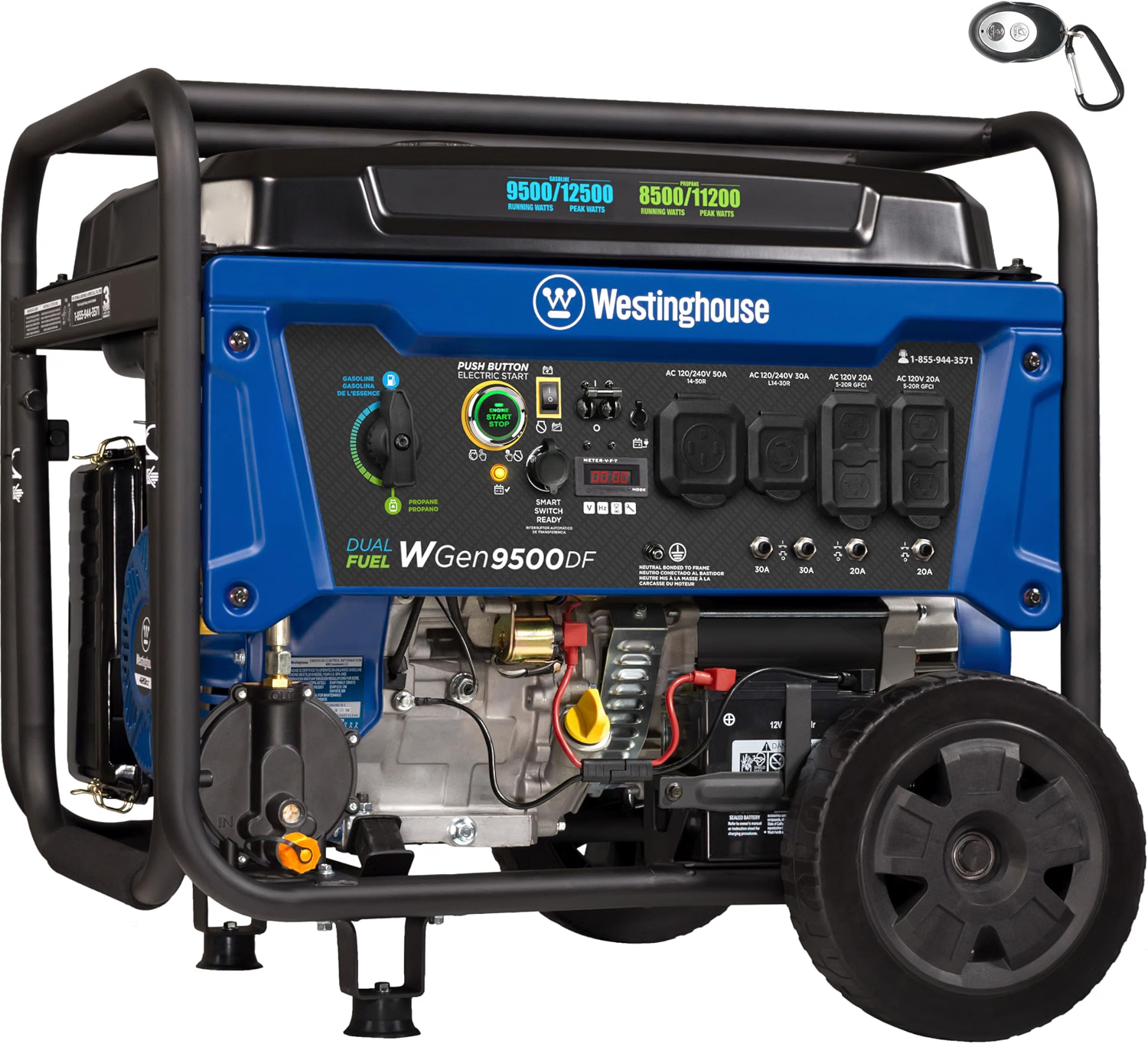
Price: $1,299 · Capacity: 6.6 gal gas tank · Output: 12,500W peak / 9,500W running (gas)
457cc 4-stroke OHV engine, up to 12 hours on a single tank
Remote electric start key fob, transfer-switch-ready 30A & 50A outlets
Dual fuel — runs on gasoline or propane; 3-year warranty
Why it's on this list: The best-selling whole-house portable in America. Powers a central AC, well pump, fridge, and every essential circuit during a hurricane — for a fraction of a Generac install.
#8
DuroMax XP13000EH
DuroMax · Dual-Fuel Portable Gas Generator
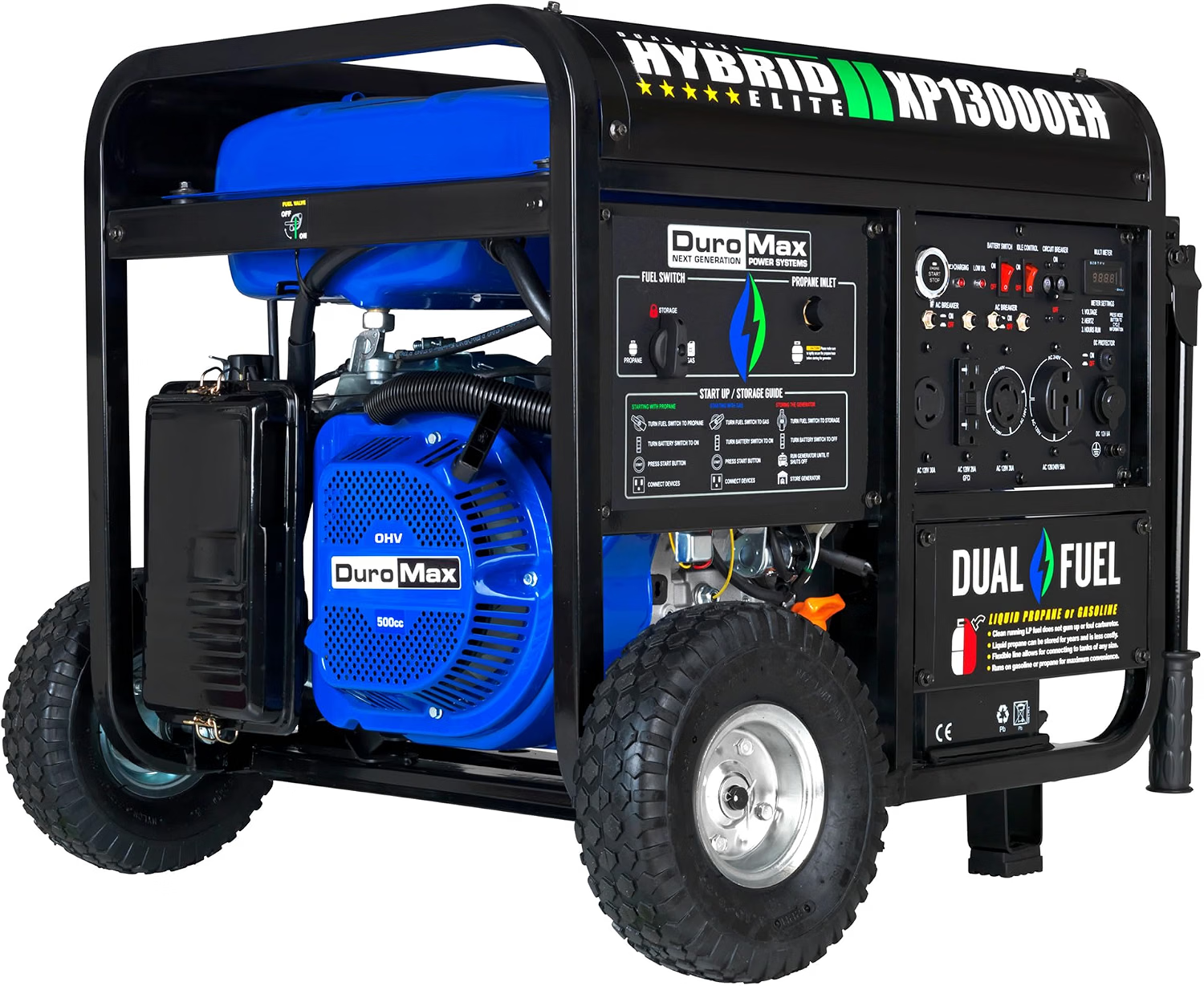
Price: $1,499 · Capacity: 8.3 gal gas tank · Output: 13,000W peak / 10,500W running (gas)
500cc OHV engine, heavy-duty metal frame built for storm duty
Dual fuel — gas or propane; 50A NEMA transfer-switch-ready outlet
Electric push-button start, RV-ready, powers whole home essentials
Why it's on this list: More raw wattage than the Westinghouse at a comparable price. If you need to run a 5-ton central AC alongside the fridge and well pump, this is the workhorse.
#7
Jackery Explorer 5000 Plus
Jackery · Solar / Portable Power Station
Price: $2,999 · Capacity: 5,040Wh LiFePO4 (expandable to 30,240Wh with 5 packs) · Output: 7,200W AC output, 120V/240V dual voltage
4,000+ charge cycles, 5-year warranty when bought direct
AC recharge in 3.5 hours; 6.5-hour solar recharge with 2x SolarSaga 500X
Smart Transfer Switch integration for whole-home circuit backup
Why it's on this list: The best-selling name in solar generators went big. Split-phase 240V means it can actually run a well pump or clothes dryer — not a toy, a real emergency system.
#6
Anker SOLIX F3800
Anker · Solar / Portable Power Station
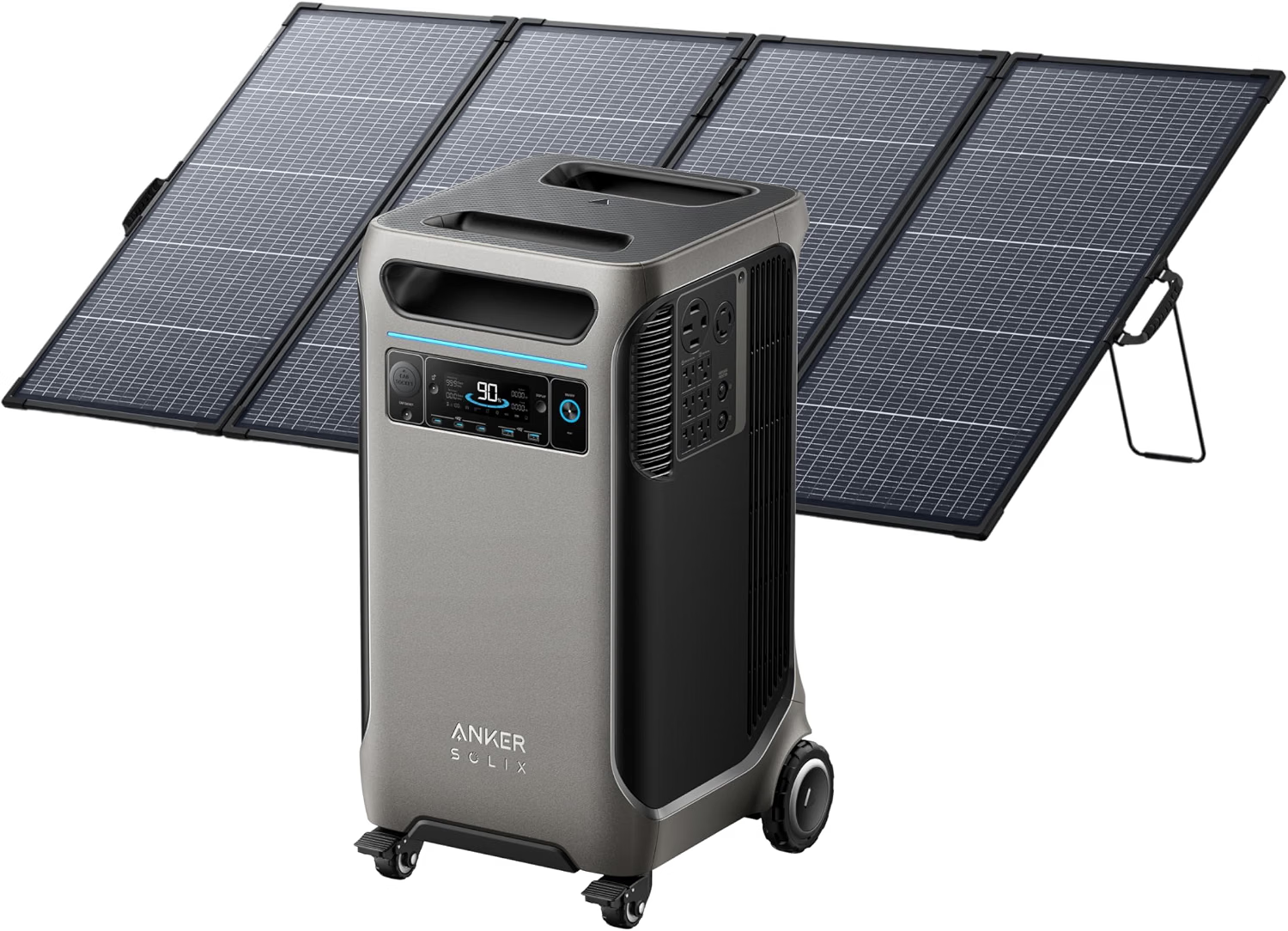
Price: $2,999 · Capacity: 3,840Wh (expandable to 26.9kWh with 6 battery packs) · Output: 6,000W AC output, 120V/240V dual voltage
LFP battery, 5-year warranty, 2,400W solar input for 1.5-hr recharge to 80%
NEMA 14-50 and L14-30R ports — direct EV and RV power
Modular expansion — grow from 3.8kWh to nearly 27kWh as budget allows
Why it's on this list: The best-in-class balance of power, expandability, and price. 6,000W of 240V output competes with $4K+ units for less money.
#5
EcoFlow DELTA Pro Ultra
EcoFlow · Solar / Portable Power Station
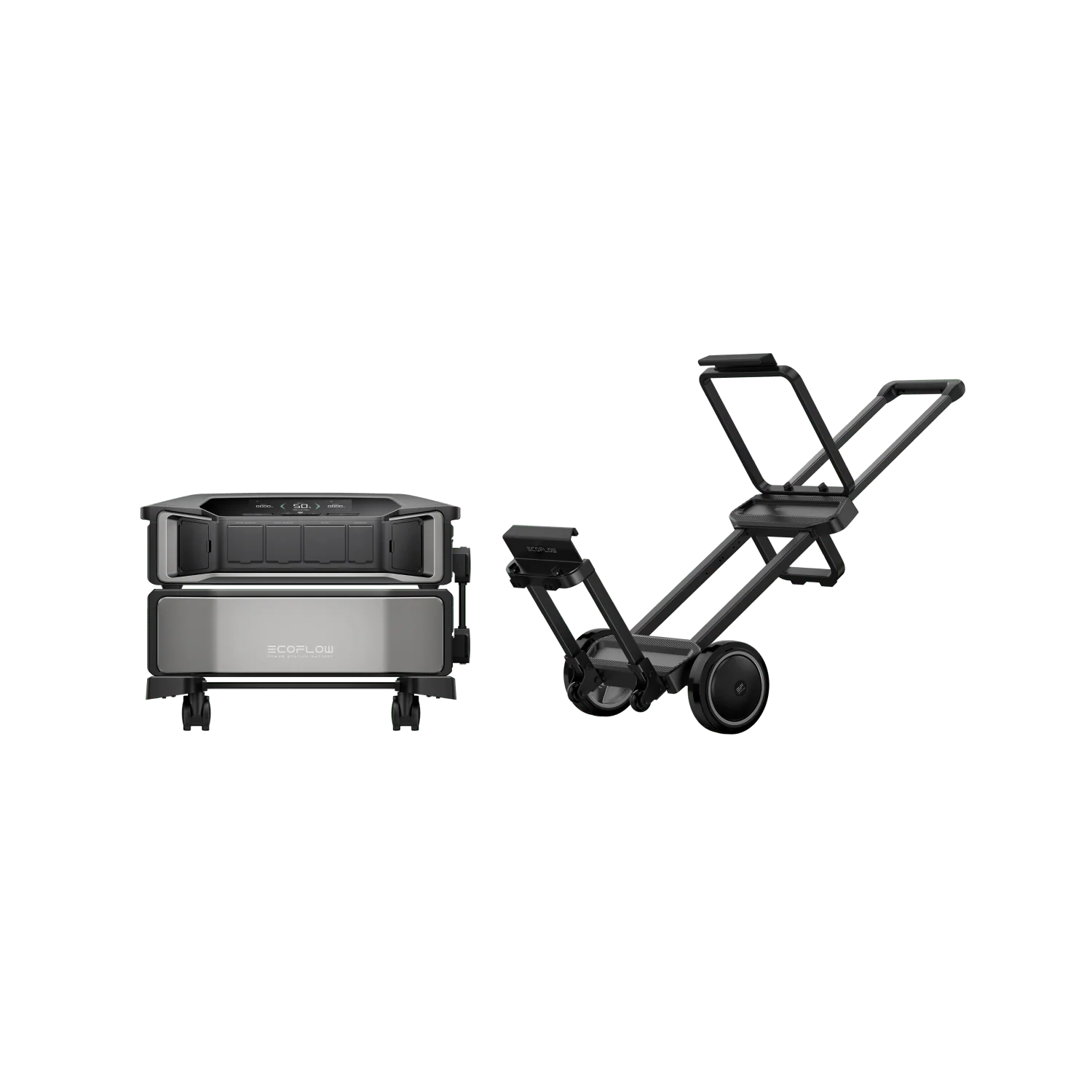
Price: $4,199 · Capacity: 6kWh base, expandable to 90kWh · Output: 7,200W AC output (scalable to 21kW)
UL 9540 certified whole-home backup, transfer-switch-ready
Split-phase 240V, runs central AC even at base config
5-year warranty, LFP chemistry, flexible payment options
Why it's on this list: Whole-home backup without the Generac install headache. UL 9540 certification means it plays nice with permitting and utilities where DIY setups can't.
#4
Honda EU7000iS
Honda · Pure Inverter Generator
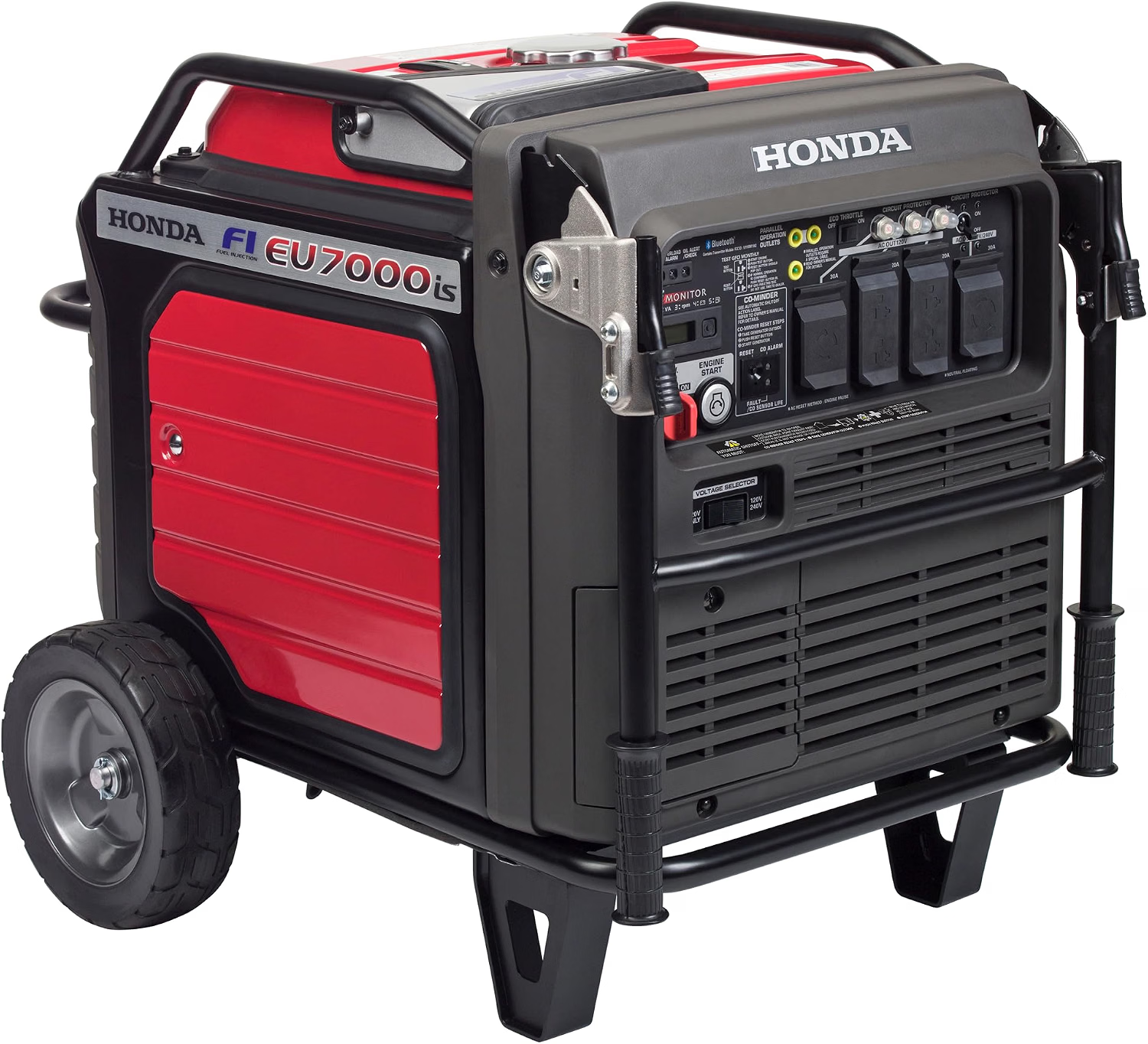
Price: $4,499 · Capacity: 5.1 gal fuel tank · Output: 7,000W max / 5,500W rated, 120V/240V
52-58 dBA — the quietest 7kW inverter on the market
Up to 16-hour run time on Eco Throttle mode
CO-MINDER shutdown, My Generator smartphone app, electric start
Why it's on this list: When you need clean inverter power for a whole house AND you want it quiet enough to sleep next to. Honda reliability is the reason contractors pay a 40% premium.
#3
BLUETTI AC500 + B300S
BLUETTI · Solar / Portable Power Station
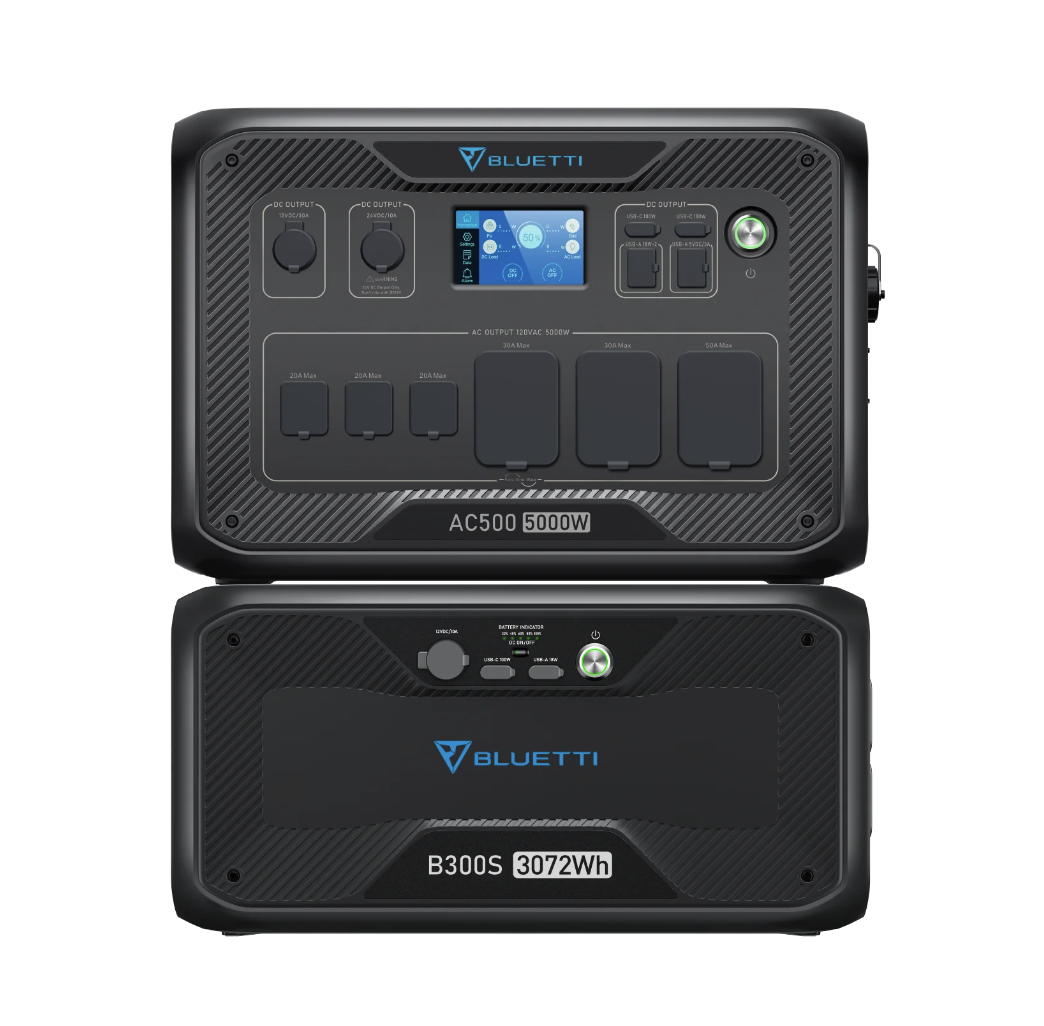
Price: $4,799 · Capacity: 3,072Wh base (expandable to 18,432Wh with 6 B300S packs) · Output: 5,000W rated / 10,000W surge, 120V/240V split-phase
Modular whole-home system, up to 8,000W input (AC + solar)
80% recharge in under an hour with 3,000W AC + 3,000W solar combined
Automatic B300S battery heating for cold-weather reliability
Why it's on this list: The highest surge wattage in the class — 10,000W handles motor startup on well pumps, compressors, and central AC that trip other solar generators.
#2
Generac Guardian 24kW (Model 72101)
Generac · Whole-Home Standby
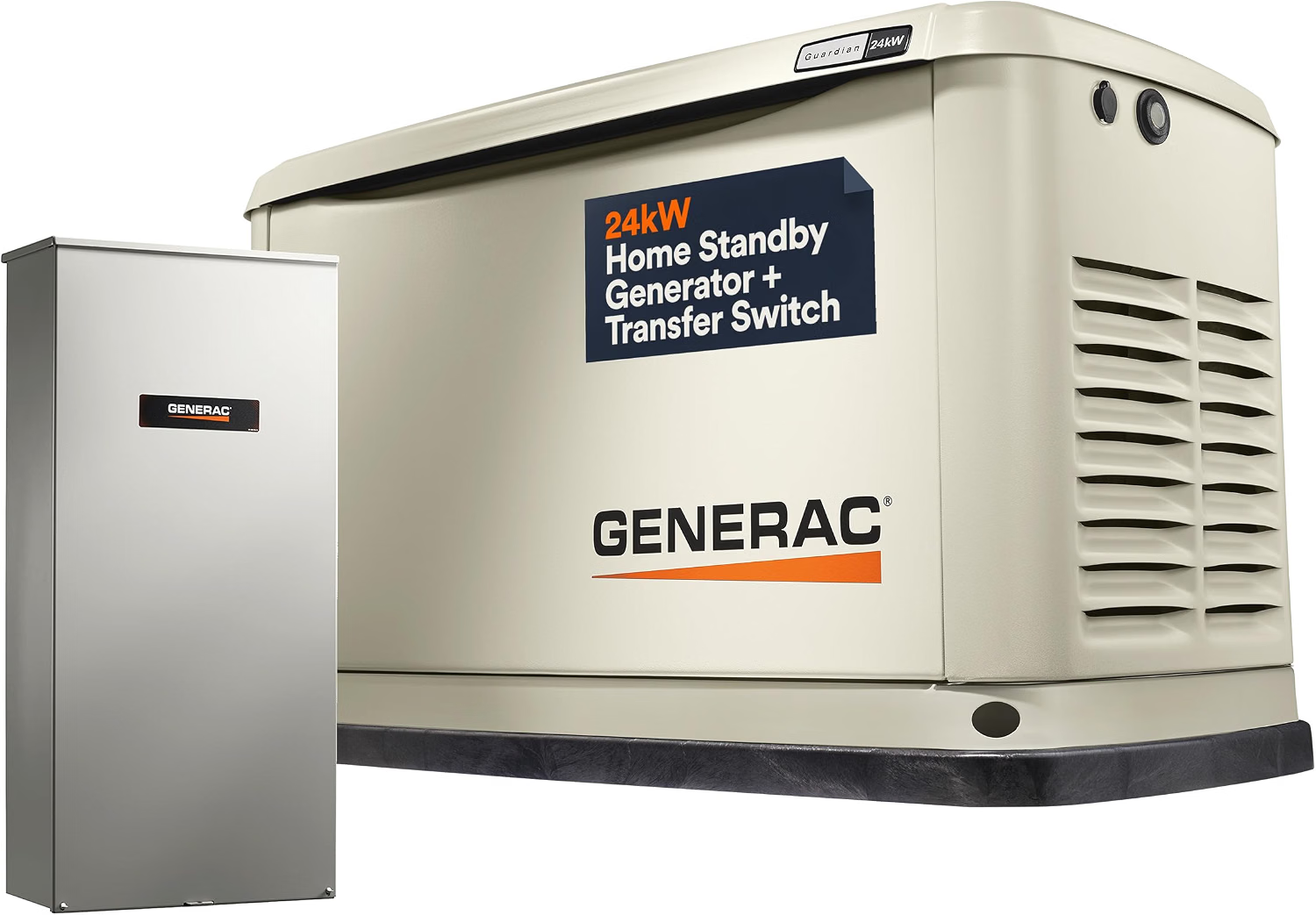
Price: $6,499 · Capacity: Natural gas or propane, unlimited runtime on utility gas · Output: 24,000W (24kW), 200A automatic transfer switch included
Auto-starts within seconds of grid loss, runs until power returns
WiFi Mobile Link monitoring, <5% THD clean power
5-year limited warranty, aluminum enclosure rated for hurricane climates
Why it's on this list: The undisputed market leader in home standby. When a hurricane knocks out your neighborhood for 10 days, this is the box that keeps your entire house running like nothing happened.
#1
Generac PWRcell 2 Home Battery System
Generac · Whole-Home Standby
Price: $15,000 · Capacity: 9kWh base, scalable to 36+ kWh across multiple cabinets · Output: Whole-home battery backup, integrates with solar + grid
Modular DCB battery modules (3.6kWh nameplate / 3kWh usable each)
10-year battery warranty, smart load management, grid-tied or off-grid
Pairs with rooftop solar for daily use PLUS emergency backup — no fuel required
Why it's on this list: The crown jewel. When you want silent, fuel-free, forever-emergency-ready backup that pays for itself with daily solar arbitrage — this is the endgame system.
How to choose from this list — by household scenario
If you rent an apartment and want silent, safe backup for outages under 24 hours: EcoFlow DELTA 2 Max or Jackery Explorer 5000 Plus. Zero fumes, safe indoors, no fuel to store, works with a portable solar panel on a balcony. This is the "starter" tier.
If you own a small home and just need to keep the fridge + a few lights + phone chargers running through a storm: Anker SOLIX F3800 or BLUETTI AC500 + B300S. Both give you 3-4 kWh minimum (enough for 2-3 days of fridge + lights) and can accept solar for indefinite recharge in daylight.
If you want serious wattage per dollar and can operate a generator outside safely: DuroMax XP13000EH or Westinghouse WGen9500DF. Dual-fuel means you can use propane (safer to store than gasoline). 9,500-13,000W is enough for fridge + AC + well pump + lights simultaneously. Requires a transfer switch or interlock kit + 30-amp or 50-amp inlet for whole-home use.
If you want the industry-standard quiet, clean-power inverter for RVs or sensitive electronics: Honda EU2200i (small, portable) or Honda EU7000iS (semi-portable, powers most of a home). The Honda name commands a premium because it earns it — 15-20 year service life is normal.
If you want to install once and never think about power outages again: Generac Guardian 24kW. Installed by an electrician + gas plumber. Auto-starts within 30 seconds of a grid drop. Runs on your existing natural gas line (unlimited runtime) or a big propane tank. $8K-$15K installed depending on your local rates. This is the "buy once, cry once, sleep well forever" answer.
If you want the same auto-resilience but silent, gas-free, and solar-rechargeable: Generac PWRcell battery system. Whole-home battery backup that pairs with rooftop solar. Higher upfront cost ($15K+ before solar) but zero fuel, zero fumes, zero noise. Also qualifies for the 30% federal solar tax credit (Sections 25D + 48).
Frequently asked
How many watts do I actually need?
Add up the running wattage of every appliance you want to run simultaneously, then add 30% headroom for starting surges. Fridge: 700W running / 2,200W starting. Sump pump: 1,000W / 2,000W. Window AC: 1,500W / 3,000W. Whole-home central AC: 4,000-6,000W. Well pump: 2,000W / 4,000W. A "keep the essentials running" setup usually lands at 3,000-5,000W. Whole-home use is 15,000-24,000W.
Gas vs propane vs solar — which lasts longest during a real outage?
Solar (with adequate panels and daylight) = unlimited runtime but capped by daily solar production. Propane (in a big tank) = weeks to months. Natural gas (from the utility line) = unlimited until the utility itself fails. Gasoline = whatever you have in cans + 6-month max storage life before it degrades. Rank order for LONG outages: propane / natural gas / solar / gasoline.
Can I run a portable generator inside my garage?
NO. Ever. Carbon monoxide kills silently — several dozen Americans die every year running generators in garages, even with the door open. All portable gas / dual-fuel generators must run OUTSIDE at least 20 feet from the house, with the exhaust pointed AWAY from windows and doors. Solar power stations are the only category safe to run indoors.
Do I need a transfer switch?
To power the whole house from a portable generator without unplugging the generator every time, yes. Two options: a manual transfer switch ($300-$600 installed) or a generator interlock kit ($150-$400 installed). Both let you flip your main breaker to "generator" mode without back-feeding into the grid (which is illegal and can kill utility workers). Get a licensed electrician for the install.
Are whole-home standby generators worth the install cost?
If you're in an outage-prone area (hurricane belt, ice-storm belt, wildfire zone with PSPS shutoffs), yes. The math: a Generac Guardian 24kW installed for $10K works out to $1,000/year over 10 years. If it saves you ONE spoiled fridge full of food ($400) + one hotel night for the family ($300) + peace of mind that your medications stay refrigerated, the ROI is real. If you lose power 1-2 times a year for under 4 hours, a solar power station is probably enough.
What about the 30% federal tax credit — does it apply to generators?
Only to solar-integrated systems (like the Generac PWRcell or EcoFlow DELTA Pro Ultra paired with panels). Standalone gas generators don't qualify. If you buy a solar-battery system that's storing solar-generated power, you can claim 30% back on your federal taxes under Section 25D (residential) or 48 (business). Consult your CPA — this is real money.
Will my new generator fit in a hurricane evac scenario if I have to leave?
Only the portable models (Honda EU2200i, small solar stations like Jackery / EcoFlow DELTA 2 Max) are truly grab-and-go. Anything 200+ lbs stays home. Standby generators obviously don't move. Plan your evac generator strategy separately from your home-resilience generator strategy — they're different tools.
Fair disclosure
Talk soon,
OSS AMERICA
God · Family · Country · Buy Once. Cry Once. Sleep well.
Advertisement
FTC Disclosure: OSS America contains affiliate links. We earn a commission from qualifying purchases at no extra cost to you — we only point you at gear we'd stake our own trip on.
More field tests
 Buy Once, Cry OnceSurvival
The $3,847 Whole-Home Backup Nobody Talks About — BLUETTI AC500 + 3× B300S Review
5,000W rated / 10,000W surge, 9,216 Wh LFP capacity, expandable to 18,432 Wh. Effective price $3,847.90 after the 30% Federal Tax Credit. The honest under-$4K alternative to Powerwall and Generac.
 Buy Once, Cry OnceSurvival
The Night the Power Died — and My Family Didn't Even Notice (EcoFlow DELTA Pro Ultra X Review)
Whole-home backup that scales from 12kW to 36kW, installed in 7 days, and runs so quietly your kids will forget the grid ever went out.
 Survival
Why Every American Family Needs a One-Year Food Supply (Honest Math, Real Reasons — 2026)
Five 90-day disruptions in five years. The transformation food certainty actually causes in a household. Honest sizing math for your family. Real alternatives compared. And the quiet reason the best time to buy was five years ago.
 Field-TestedSurvival
Best Machetes for the Outdoors
Eleven machetes that actually sell, ranked by steel, tang and reach - from a $23 pack blade to a full-tang Gerber Bolo. Counting down from #11 to #1.
 Buy Once, Cry OnceSurvival
4Patriots 30-Day Preparedness Trifecta: 3 Products for Off-Grid Survival (2026)
Three 4Patriots products cover food, backup food, and off-grid power for 30 days of survival — the trio that turns a household from unprepared to insurance-policy ready.
 Survival
15 Products and Tips to Protect Your House Against Whatever Comes to You
Fifteen verified products and the tips that make them work: locks, cameras, flood control, backup power, food storage, and which gun actually belongs in a house.