
The 15 Best Portable Power Stations of 2026 — Ranked for Camping, RV, and Home Backup

Advertisement
Hurricane Helene forced the market to grow up. A portable power station used to be a $500 camping toy. In 2026, it's a $500-$5,000 piece of infrastructure that keeps your fridge cold when the grid drops, powers a full weekend of overlanding without a generator, and — if you buy right — pays for itself the first time you don't lose a freezer full of meat.
🏆 The Quick Winners (Skip the Whole Guide)
Best Whole-Home Backup: EcoFlow DELTA Pro Ultra — 6.1kWh base, expandable to 90kWh
Best Overall Value: EcoFlow DELTA Pro — 3.6kWh, $2,499, the most-recommended unit in the category
Best for Overlanding: Jackery Explorer 2000 Plus — 2kWh, quiet, fits any pickup bed
Best Under $1,000: Bluetti AC180 — 1152Wh with LiFePO4 chemistry that outlasts the price tag
Best Long-Term Value: Bluetti AC200 MAX — 2kWh with a 3,500-cycle battery, will last 10+ years
Best Solar Panel: EcoFlow 400W Portable — 22.4% efficiency, IP68 waterproof, folds flat
How We Ranked (and Why It Matters)
We rank by useful runtime — how long a unit can realistically run a specific appliance, not the marketing spec. A "2000Wh" unit rarely delivers 2000Wh in practice; the true usable capacity is usually 80-90% of the label after DC-to-AC inversion losses.
We ranked from published specs, cycle ratings and warranty terms, and we think about runtime in terms of real loads: a 65W laptop, a 40W CPAP machine, a 90W dorm fridge, and a 1500W space heater, figured at 80-90% of the label capacity. This is a research-based guide, not a hands-on test.
🏠 Tier 1 — Whole-Home Backup ($3,000–$5,000)
This tier exists for one reason: to keep the fridge, well pump, and CPAP running when the grid drops for 3-7 days. If you live in hurricane country, wildfire country, or on a rural feeder line that goes down twice a winter — you want one of these three units.
#1 — EcoFlow DELTA Pro Ultra — 6144Wh / 7200W Whole-Home Backup
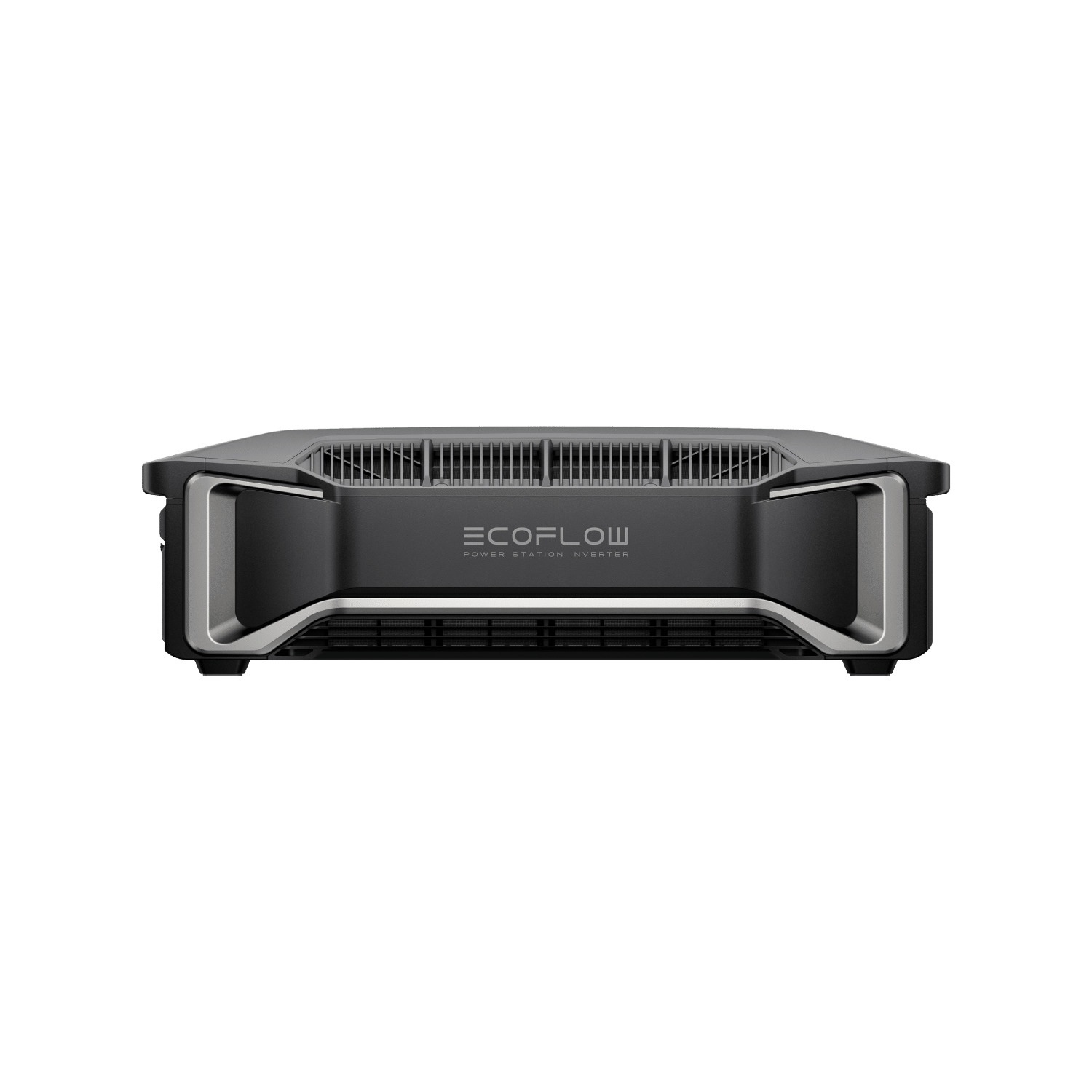
$4,799 • 6144Wh • 7200W AC output
Best for: Whole-home hurricane/wildfire backup, off-grid cabins
The top-of-line unit for genuine whole-home backup during a hurricane or grid outage. 6.1kWh base capacity expandable to 90kWh with additional batteries. 7,200W AC output handles central AC, well pumps, and electric ovens simultaneously. This is the unit for the homeowner who wants to survive Helene-scale events.
#2 — Anker SOLIX F3800 — 3840Wh / 6000W with Home Integration
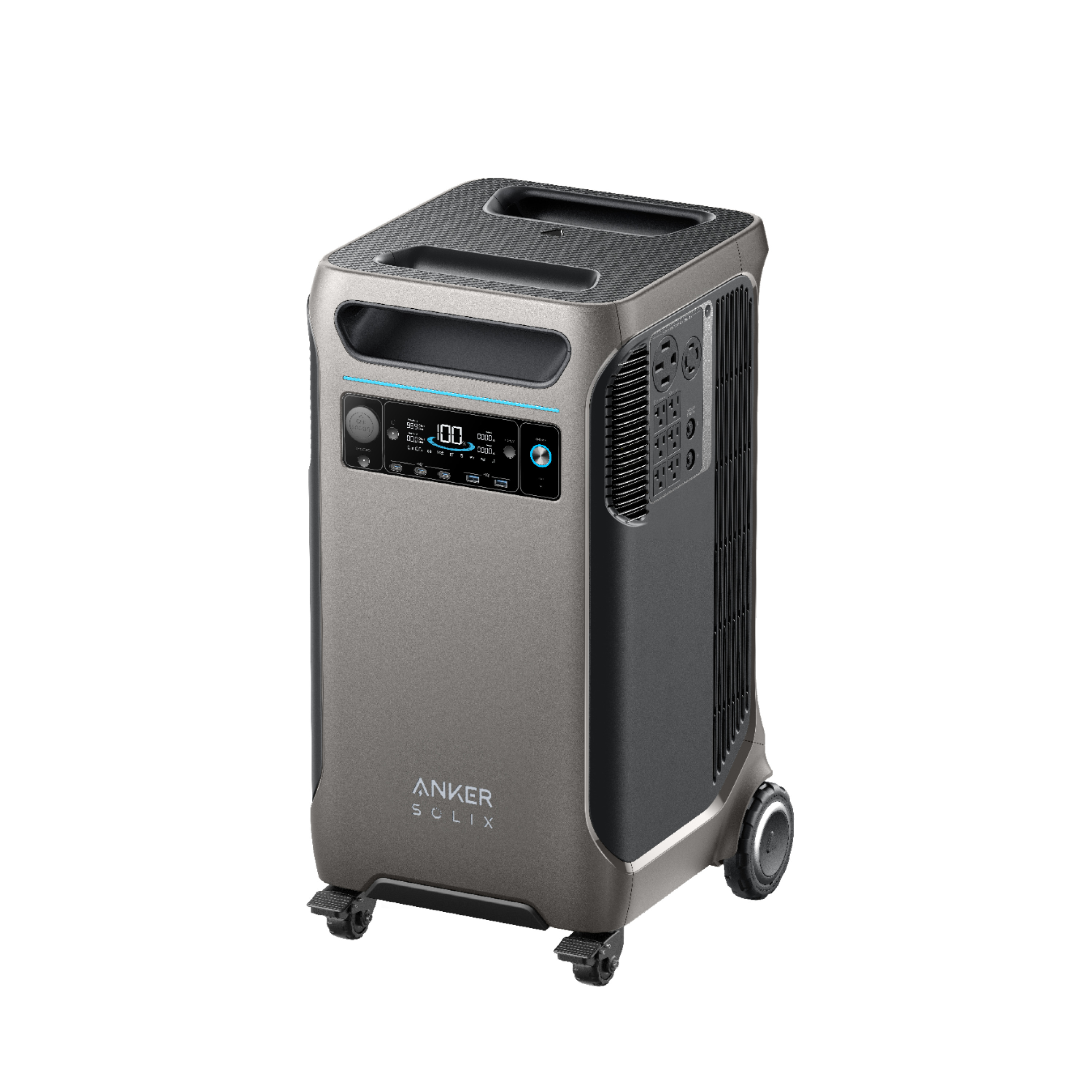
$3,699 • 3840Wh • 6000W AC output
Best for: Mid-size home backup, garages/workshops
Anker's answer to EcoFlow at a slightly friendlier price. 3.8kWh base, expandable to 26.9kWh with the double-battery configuration. Integrates with the Anker SOLIX Home Backup transfer switch for real electrician-installed backup. 5-year warranty is the longest in the category.
#3 — Bluetti AC500 + B300S — 3072Wh Modular System with 5000W Output
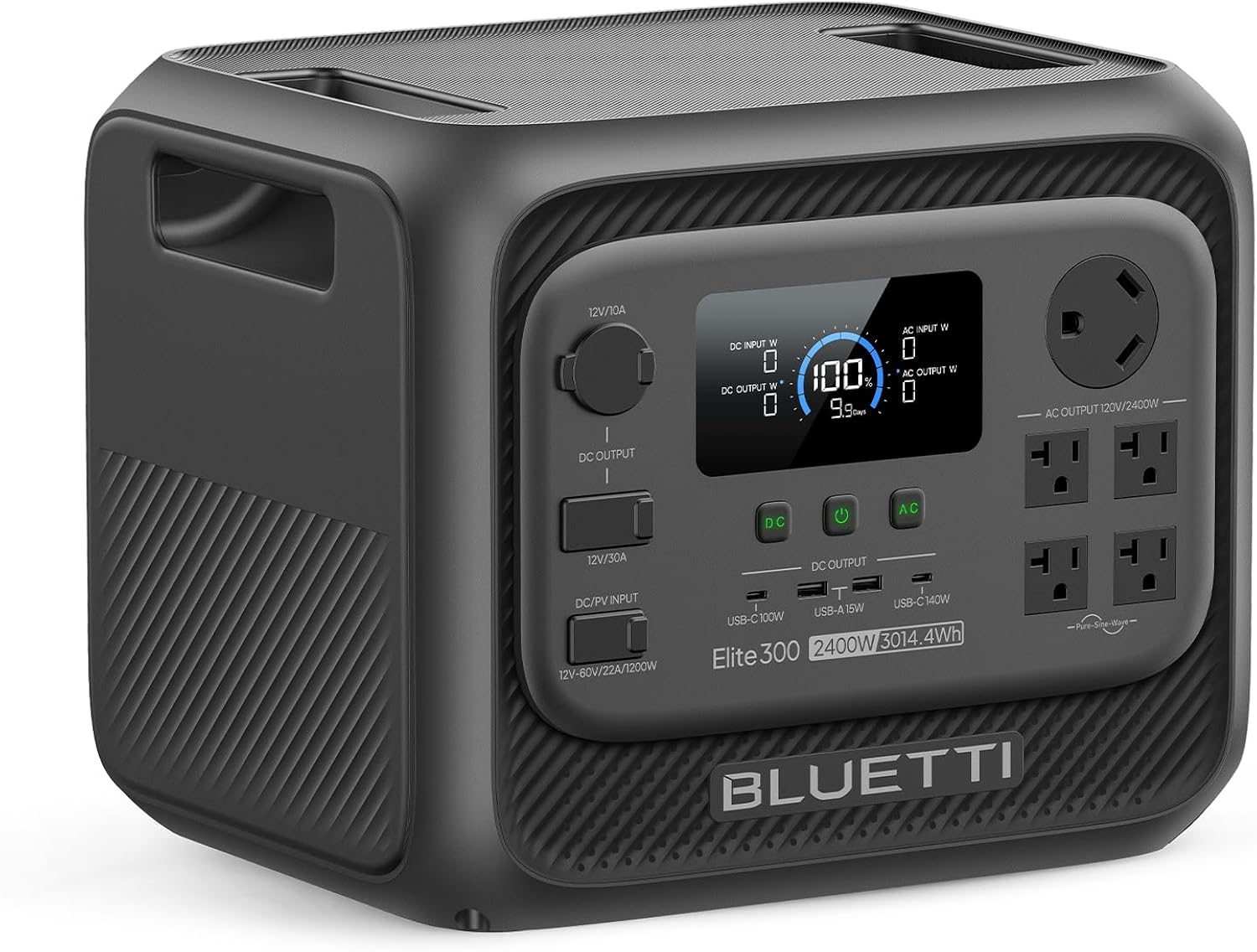
$3,499 • 3072Wh • 5000W AC output
Update, Sept 26, 2026: every AC500 bundle is sold out at BLUETTI's US store. BLUETTI's current home-backup system is the Apex 300 (3,840W and 2,764.8Wh of LiFePO₄ per unit, 120V and 240V output at once). The Apex 300 + B300K (5,529.6Wh) was $2,599 and in stock when we checked.
Best for: Homeowners who want to expand storage gradually
The 'inverter and battery are separate boxes' approach — buy the AC500 inverter once, then add B300S batteries (3072Wh each) as your budget allows. 5000W AC output. This is the smart choice for a homeowner who wants to scale up over time instead of buying capacity you don't need on day one.
See the in-stock Apex 300 + B300K →
🚚 Tier 2 — Serious Off-Grid & RV ($2,000–$3,000)
The workhorse tier. Enough capacity to run an RV or small cabin for 2-3 days, small enough to wheel from truck to campsite. This is where most serious buyers land — big enough to matter, not so big you need a dolly.
#4 — EcoFlow DELTA Pro — 3600Wh / 3600W
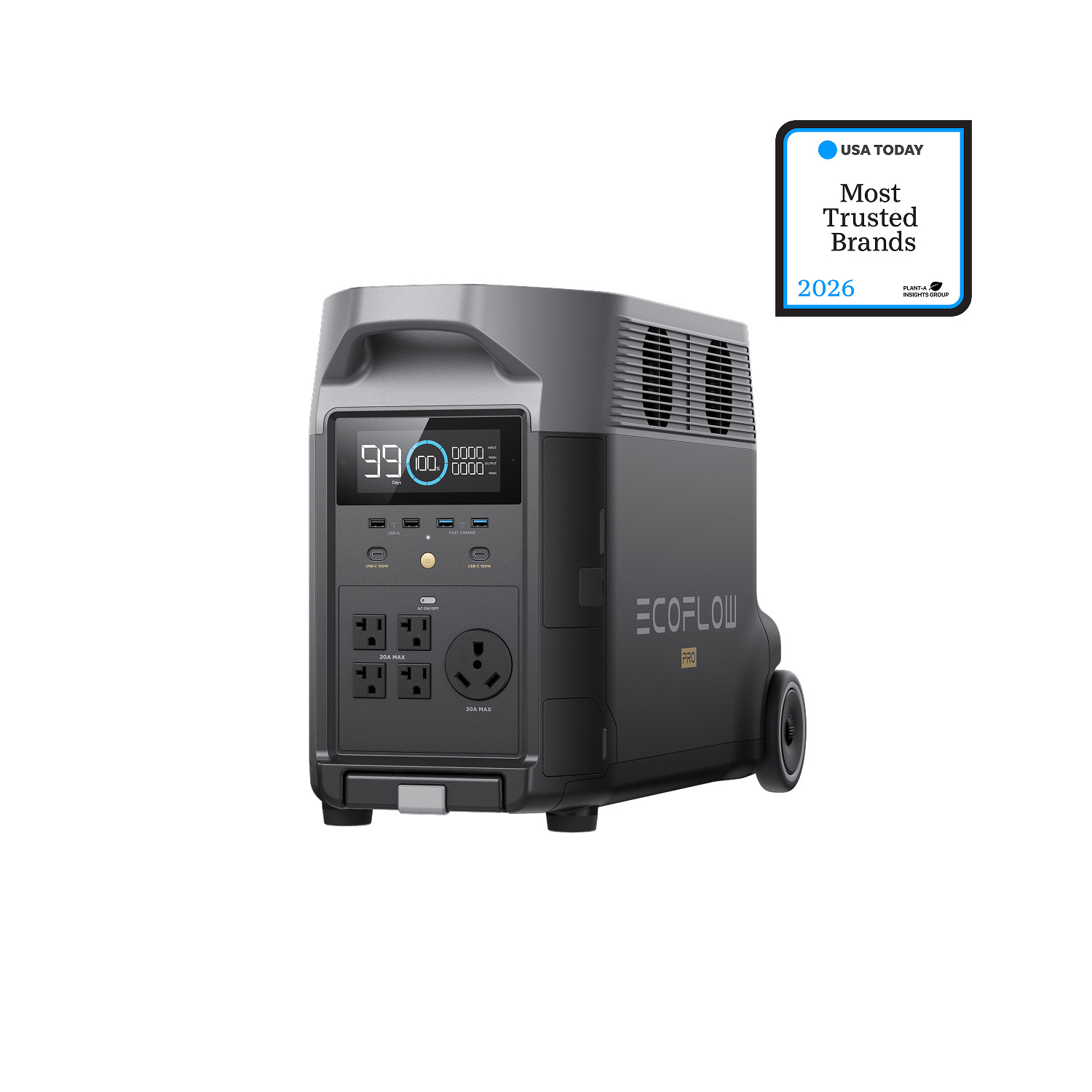
$2,499 • 3600Wh • 3600W AC output
Best for: Long RV trips, off-grid weekends, backup for a small home
The original workhorse. 3.6kWh capacity, 3600W output, expandable to 25kWh with extra batteries. Charges from 0-80% in 60 minutes on X-Stream fast charging. This is the unit most reviewers rank as the best value in the category — big enough for a small home, small enough to wheel to an RV.
#5 — Jackery Explorer 3000 Pro — 3024Wh / 3000W with Quiet Operation
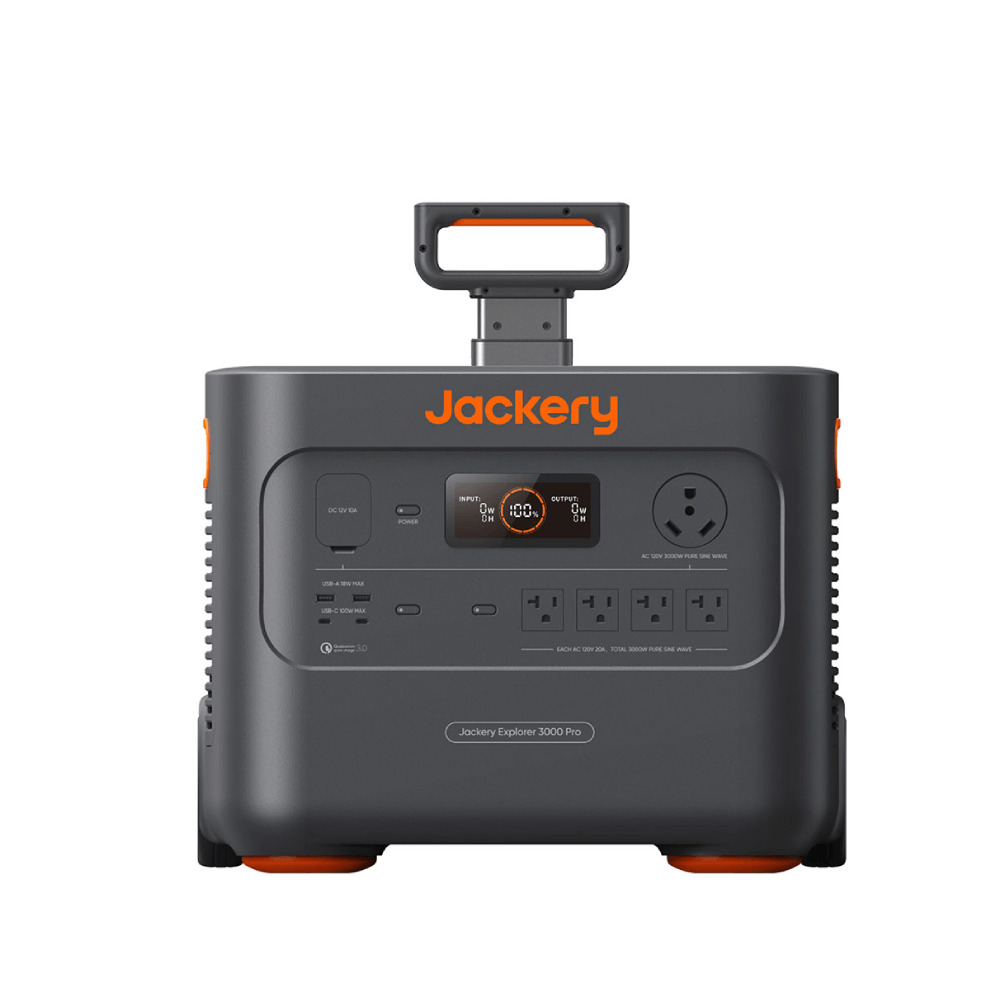
$2,399 • 3024Wh • 3000W AC output
Best for: Camping-first buyers, users who value quiet operation
Jackery's flagship. Same tier as EcoFlow's DELTA Pro on capacity, but with the quietest cooling system in the category (30 dB — you can sleep next to it). Better handle and wheel design than most competitors. The trade-off is slightly slower recharging (2 hours vs EcoFlow's 60 min).
#6 — Bluetti AC200 MAX — 2048Wh / 2200W with LiFePO4 3500-Cycle Battery
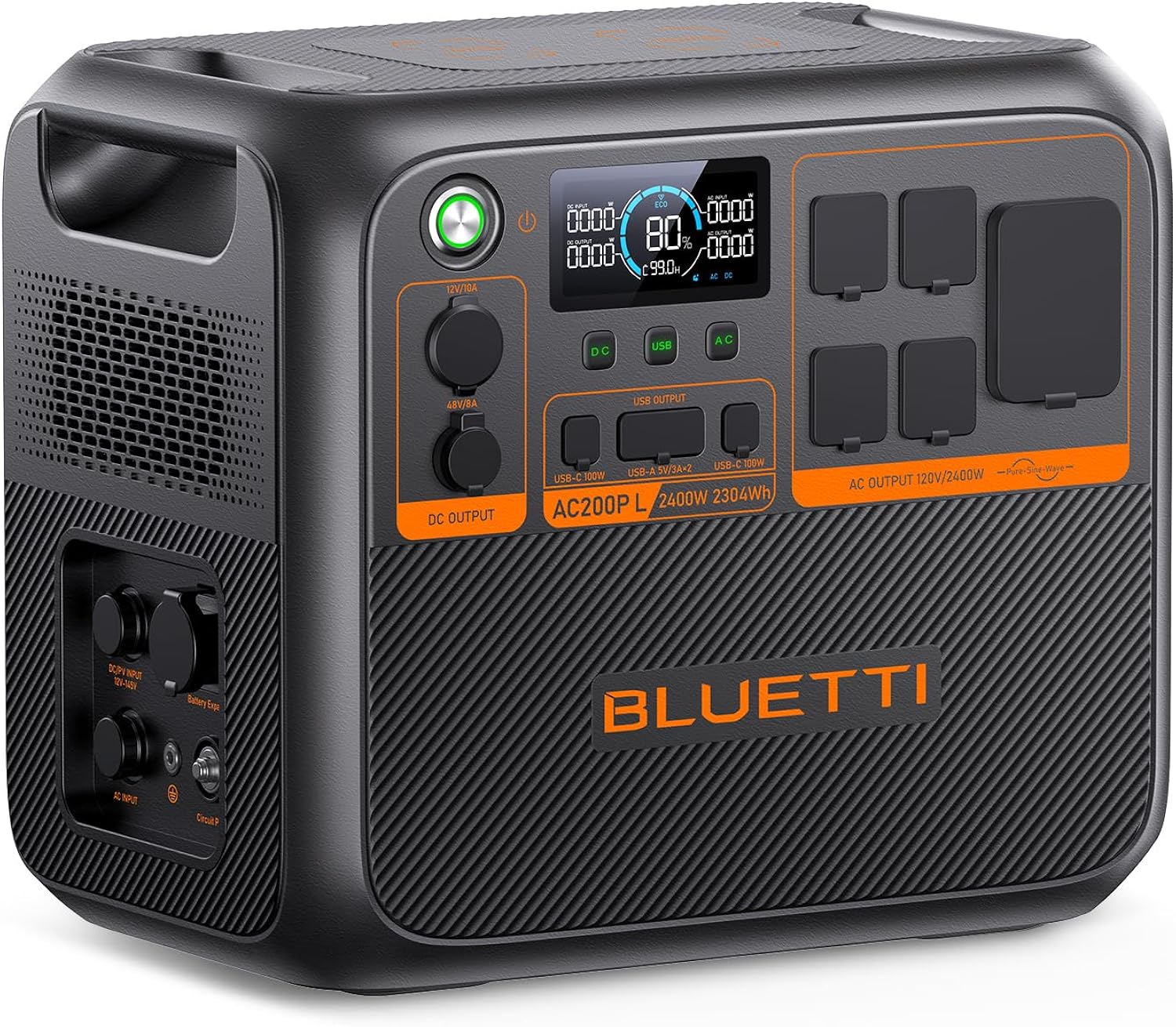
$1,899 • 2048Wh • 2200W AC output
Best for: Best long-term value, buyers who plan to use it heavily
The best price-per-watt in the 2kWh tier. LiFePO4 chemistry rated for 3,500 full cycles (vs the industry-standard 500-1,000 on older lithium-ion), meaning this unit will last 10+ years of daily use. Expandable to 8kWh with B230 or B300 external batteries.
⛺ Tier 3 — Overlanding & Van Life ($1,000–$1,600)
The sweet spot for the truck-camping / van-conversion / weekend-warrior crowd. 1-2kWh runs a 12V fridge, LED lights, phone charging, and one AC device (CPAP, microwave, coffee maker) for 2-3 nights without recharge.
#7 — Jackery Explorer 2000 Plus — 2042Wh / 3000W with Solar Fast-Charge
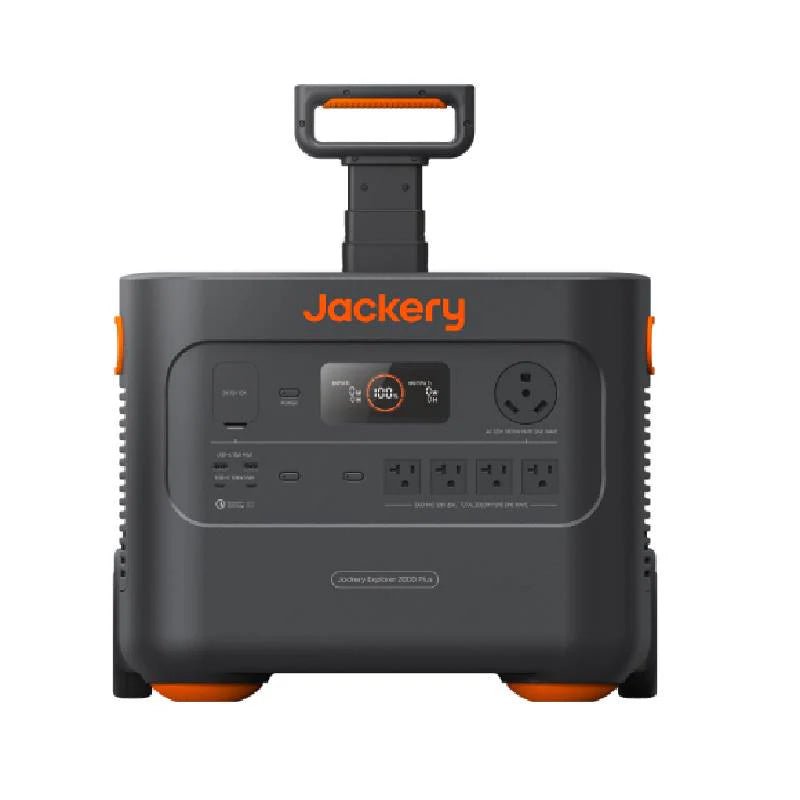
$1,599 • 2042Wh • 3000W AC output
Best for: Weekend overlanding, van conversions, tailgate power
The sweet spot for overlanders. 2kWh gets you 2-3 nights of running a 12V fridge + LED lights + phone charging + occasional CPAP. Charges from Jackery's own SolarSaga panels in 2 hours. Fits in the back of any full-size SUV or truck bed.
#8 — EcoFlow DELTA 2 Max — 2048Wh / 2400W with 43-Minute Fast Charge
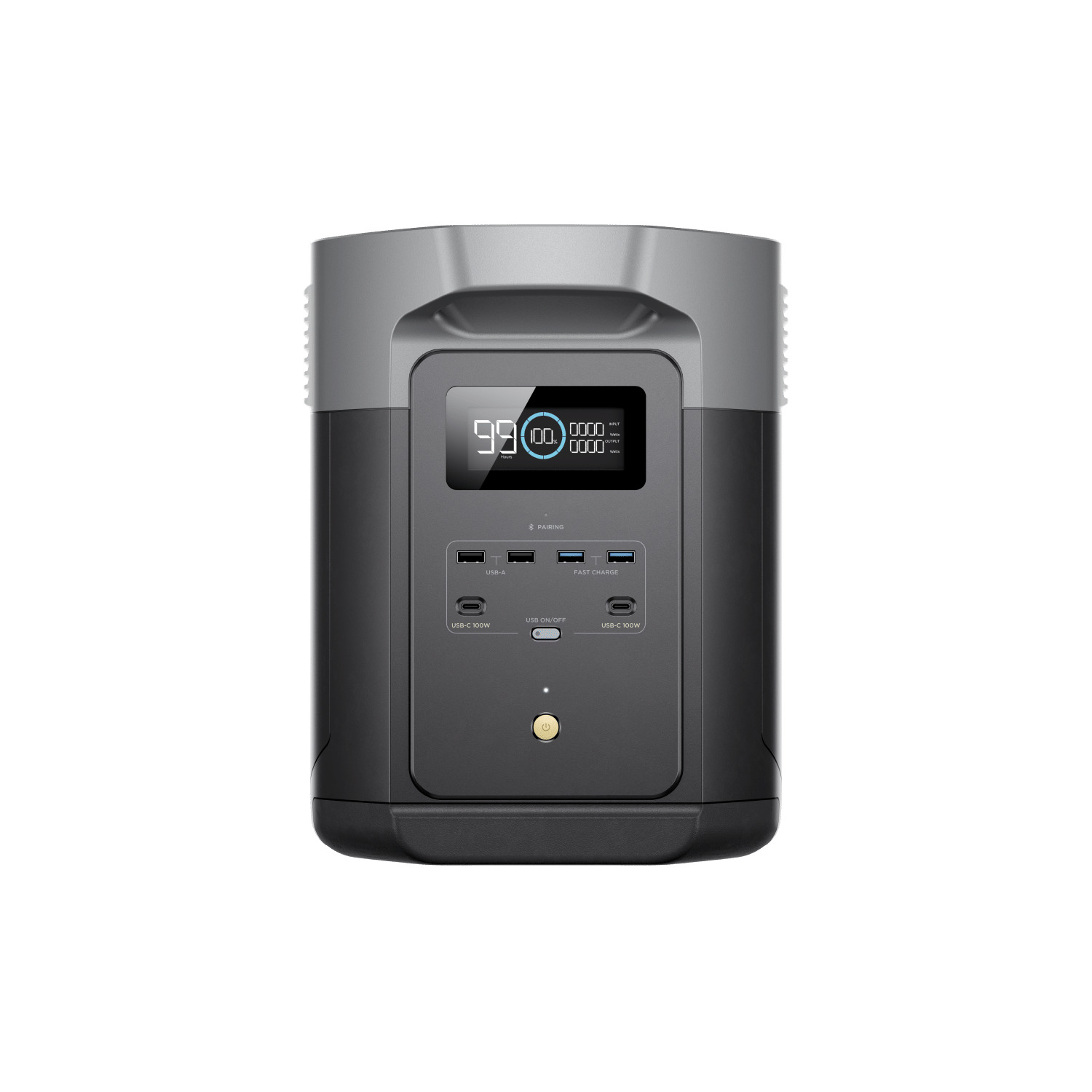
$1,599 • 2048Wh • 2400W AC output
Best for: Overlanders who need to top-off from a truck alternator or generator
EcoFlow's direct answer to the Jackery 2000 Plus at the same price point. 30% faster AC charging (43 min to 80% vs Jackery's 100 min). Expandable to 6kWh with add-on batteries. If you value fast recharge (running a generator briefly to top off), pick this over the Jackery.
#9 — Anker SOLIX C1000 — 1056Wh / 1800W in a Compact 27-lb Chassis
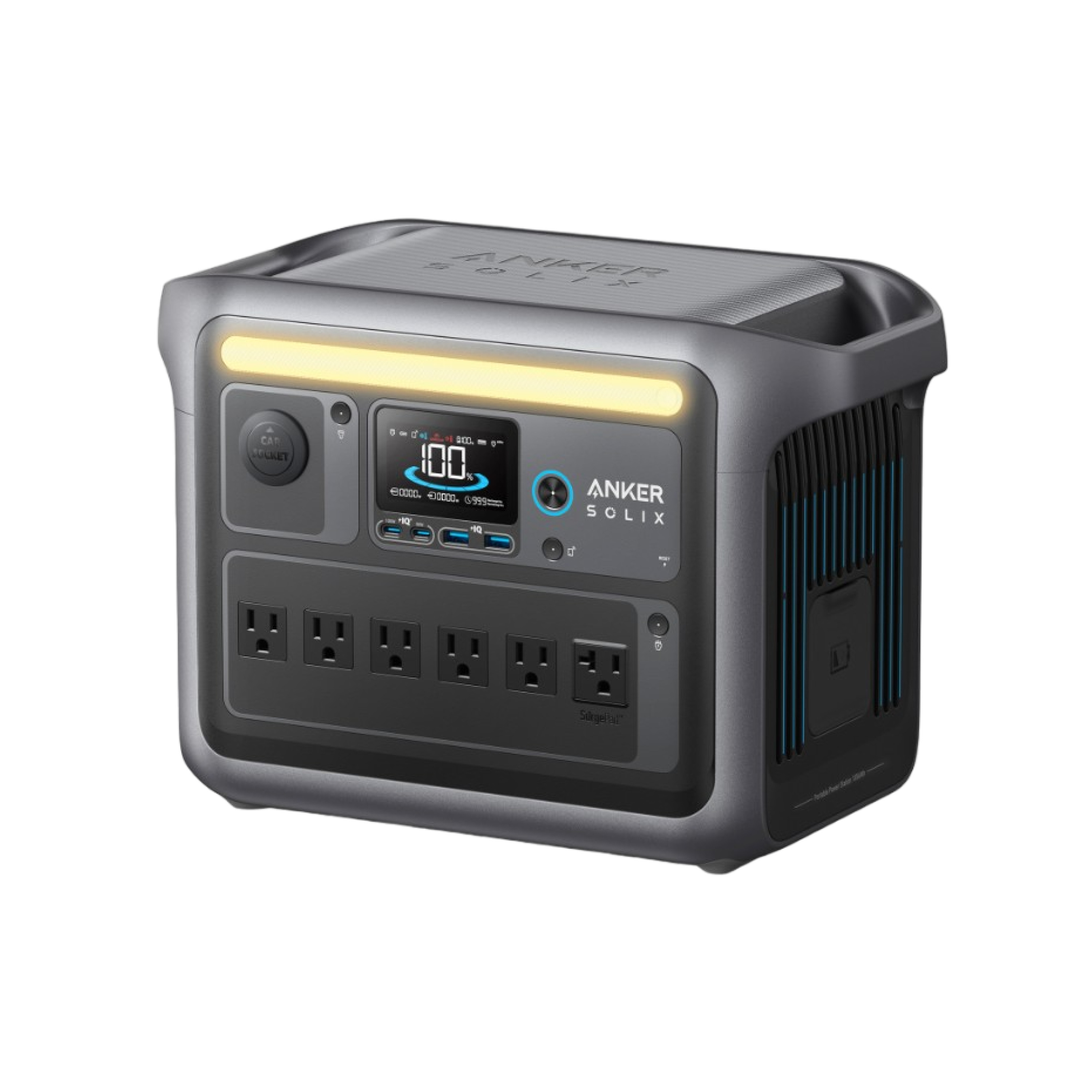
$999 • 1056Wh • 1800W AC output
Best for: Smaller trips, one-person operation, compact vehicles
The most portable unit that still runs actual appliances (space heater, microwave, coffee maker). 27 lbs — you can carry it one-handed. UltraFast charging fills it in 58 minutes. The best pick for the couple who camps in a smaller vehicle or tent.
🏕️ Tier 4 — Weekend Camping ($500–$1,000)
Under $1,000, still capable of running real appliances (not just charging phones). This is the tier every household should own at least one of — pandemic-era gear that pays for itself the first time the power goes out during a storm.
#10 — Bluetti AC180 — 1152Wh / 1800W with Turbo Charging
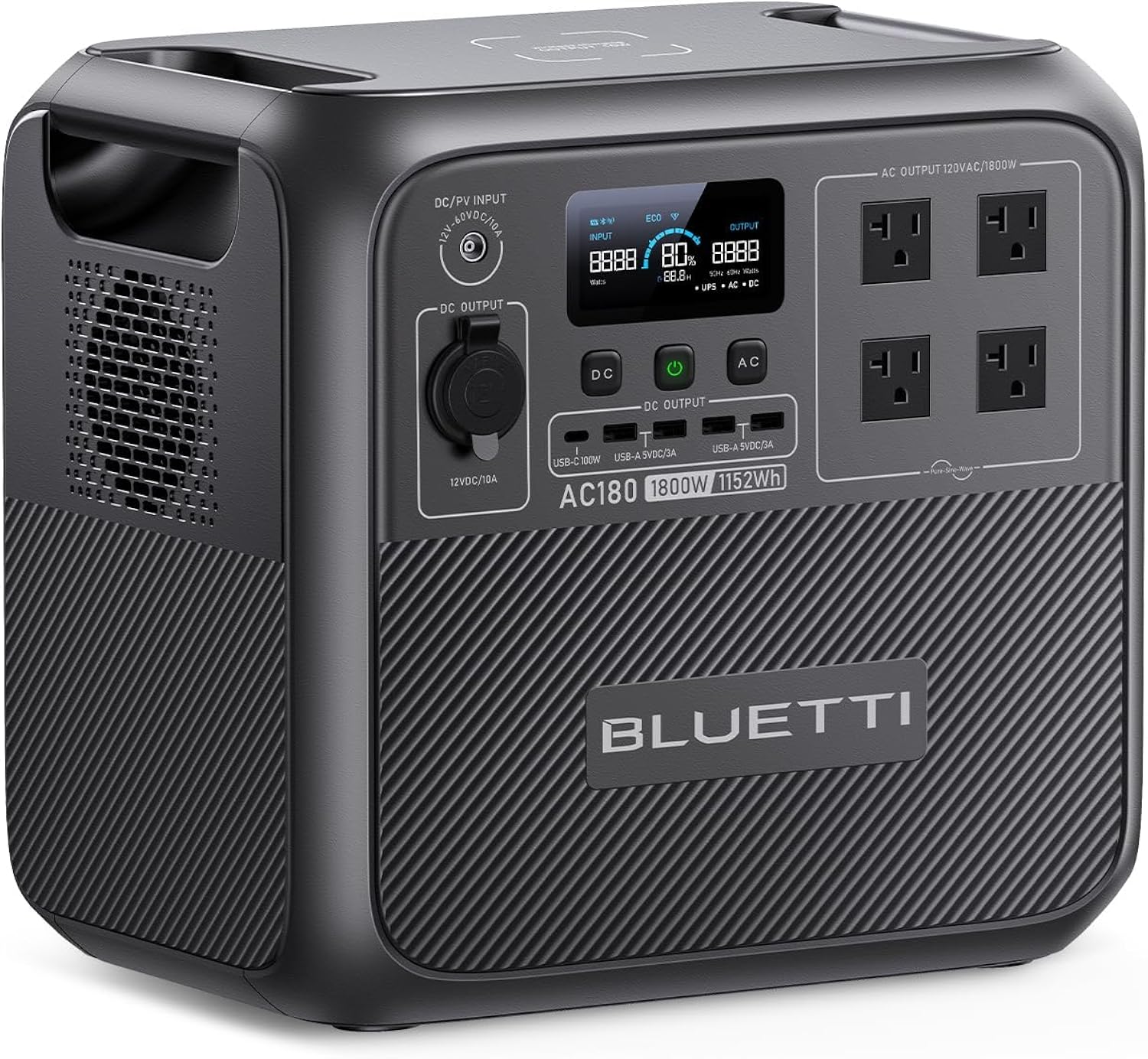
$699 • 1152Wh • 1800W AC output
Best for: First-time buyers, home office backup
The best sub-$700 power station on the market. 1152Wh with LiFePO4 chemistry (3500 cycles) means it outlasts every competitor at this price. 1800W output handles hair dryers, space heaters, and instant pots. UPS mode for critical devices during a grid drop.
#11 — Jackery Explorer 1000 v2 — 1070Wh / 1500W Updated LiFePO4
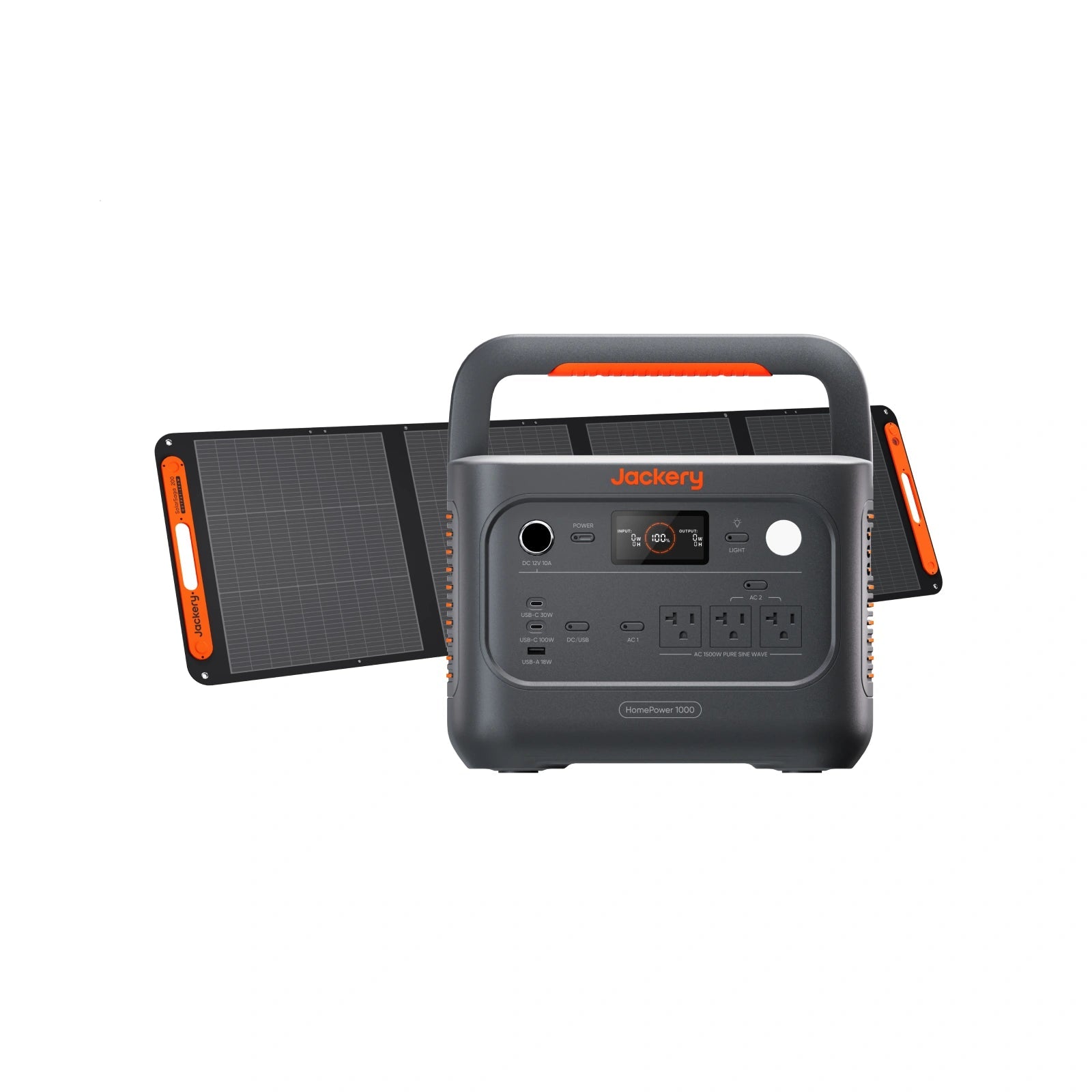
$799 • 1070Wh • 1500W AC output
Best for: Brand-loyal buyers, weekend camping, tailgating
The 2026 refresh of Jackery's best-selling model. Swapped to LiFePO4 chemistry (finally), added a smart app, kept the same iconic orange-and-gray design. If you want the brand name, the reliability history, and the largest US service network in the category — this is the pick.
#12 — EcoFlow RIVER 3 Plus — 286Wh Base + Extra Battery to 858Wh
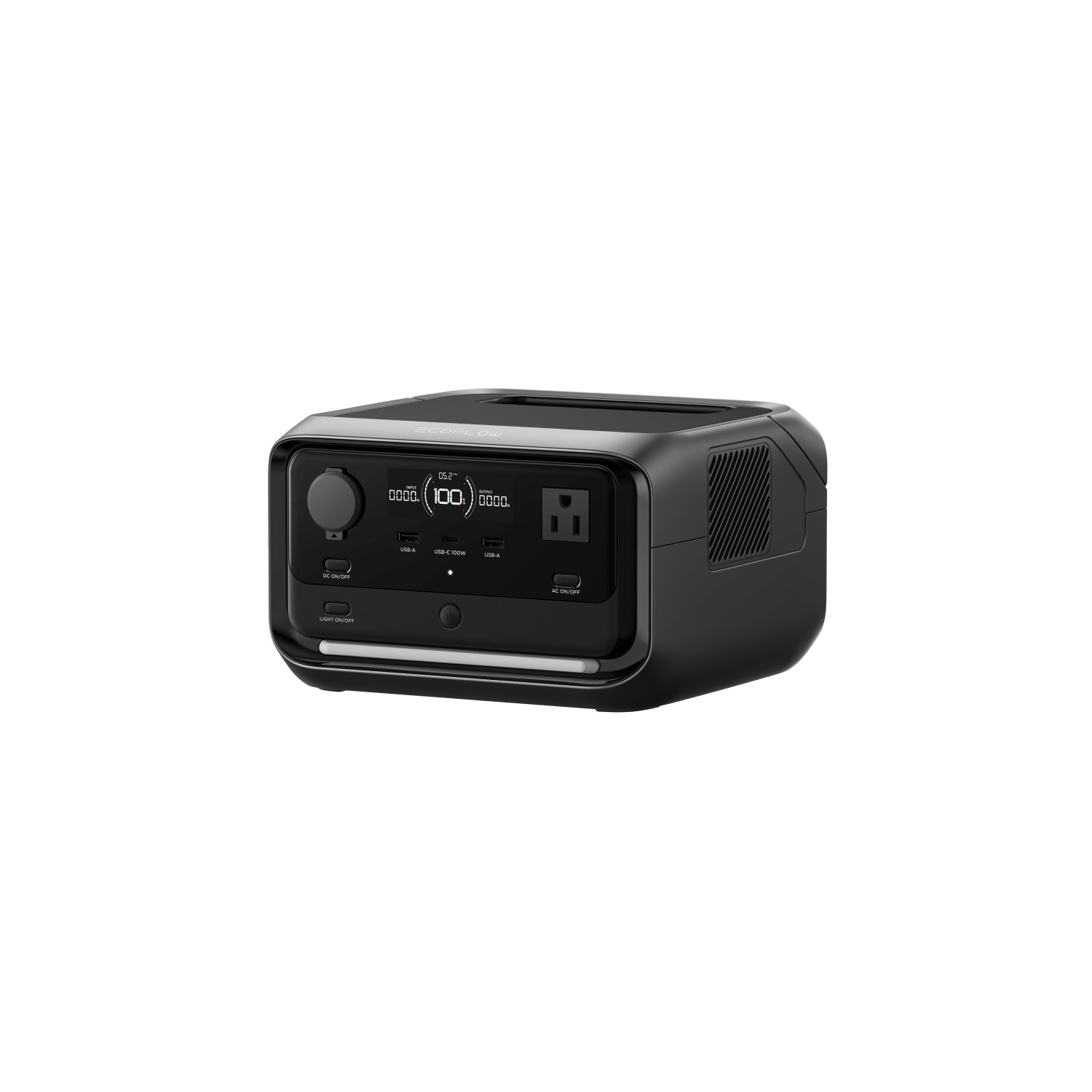
$399 • 286-858Wh • 600W (1200W X-Boost) AC output
Best for: Budget-conscious first buyers, short trips, backup for one appliance
The pick for the buyer who thinks they might want more capacity later. Start with the 286Wh base unit at $299. Add the extra battery when your needs grow. X-Boost mode runs 1200W appliances by throttling them. Best sub-$500 option in the category.
☀️ Tier 5 — Solar Panels (The Multiplier)
A power station without a solar panel is a battery — it dies eventually. Add one of these and you have indefinite off-grid power. All three panels here are compatible with the units above, with the right adapter cables.
#13 — EcoFlow 400W Portable Solar Panel — Foldable, IP68 Rated
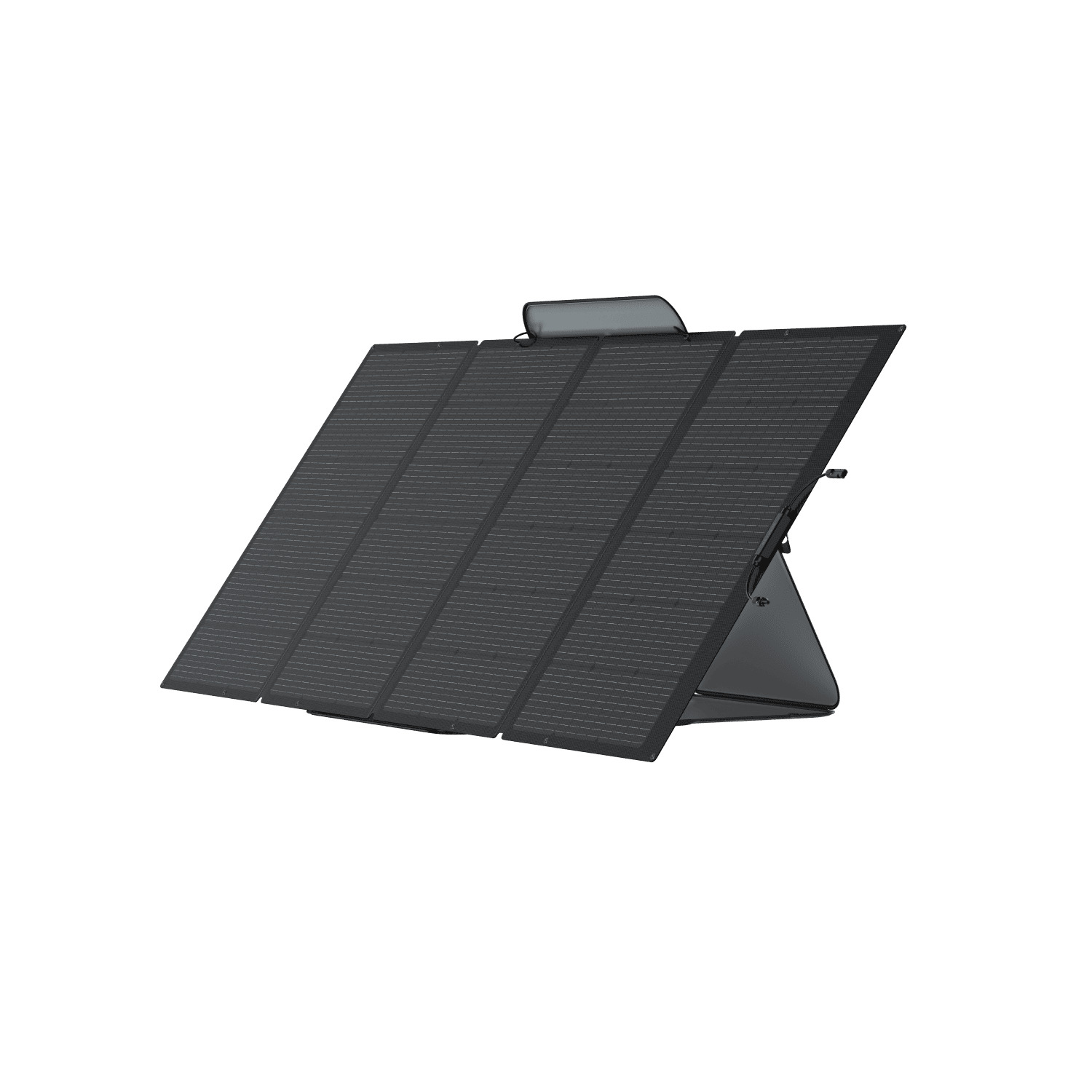
$799 • 400W • N/A AC output
Best for: Off-grid trips longer than 2 days, hurricane preppers who want indefinite backup
The most efficient portable solar panel in the category. 22.4% cell efficiency. Folds down to briefcase size. IP68 waterproof rating means it survives being caught in rain. Charges a DELTA Pro from 0-80% in a single day of decent sun.
#14 — Jackery SolarSaga 200W — Kickstand Portable, ETFE-Laminated
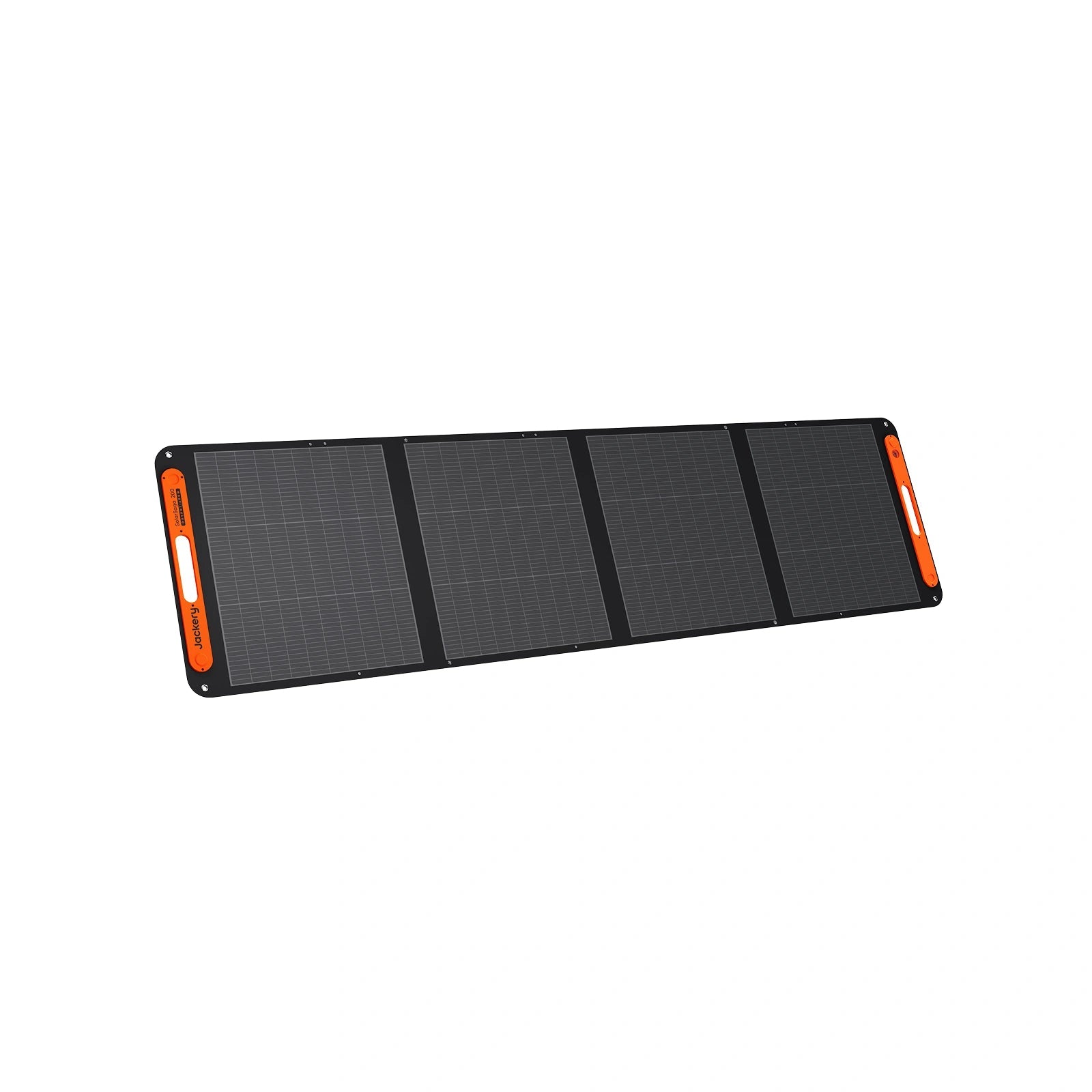
$499 • 200W • N/A AC output
Best for: Jackery ecosystem buyers, tent-camping with solar
Jackery's mid-size solar panel — the right pairing for the Explorer 1000/2000 series. Kickstand design lets you angle it toward the sun without buying a separate mount. ETFE laminate coating adds 5+ years to the panel life vs cheap plastic laminates.
#15 — Renogy 200W Portable Solar Suitcase — Monocrystalline with Controller

$449 • 200W • N/A AC output
Best for: DIY solar, RV house batteries, non-Jackery/EcoFlow setups
The DIY-friendly alternative. Renogy's suitcase design opens flat and comes with alligator clips + Anderson connectors for direct battery charging (not just brand-specific ports). Best pick for users with a house battery bank or non-branded power station.
What to Look For (2026 Buyer's Guide)
The spec sheet on any power station lies a little. Here's what to read past the label:
Battery chemistry. Insist on LiFePO4 (lithium iron phosphate). It has 3-5× the cycle life of older NMC/lithium-ion chemistries, doesn't catch fire the same way, and holds capacity better in cold. Every unit in this guide is LiFePO4 except where noted.
Continuous vs surge output. A '2000W' unit usually surges to 4000W for a few seconds (starting a fridge compressor) but runs at 2000W continuous. Match your surge need to the label, not your continuous need.
Recharge speed matters more than you think. If your grid comes back for 4 hours between outages, you need a unit that can refill in that window. EcoFlow's X-Stream (60-min to 80%) is the leader here.
Warranty length signals confidence. Bluetti and Anker offer 5-year warranties. EcoFlow and Jackery are 5-year with registration, 2-year without. Cheap Amazon brands offer 1 year — skip them.
Solar input ceiling. A power station that accepts 800W of solar recharges twice as fast as one capped at 400W. Every serious unit should accept 800W+.
FAQ
How long will a portable power station run my fridge?
A standard 100W fridge on a 1000Wh unit runs 8-10 hours (fridge cycles on/off — it's not drawing 100W continuously). On a 3600Wh unit (DELTA Pro), you get 30+ hours. Add a 200W solar panel and you get indefinite runtime with 4+ hours of sun per day.
Can I use a power station to run my whole house?
Not "the whole house" running normal life. But you can run the essentials — fridge, freezer, well pump, a few LED lights, a CPAP, phone charging, one TV — off a 3.6kWh unit for 24-36 hours. The Tier 1 units (with expansion batteries) can carry a modest home for 3-7 days.
Is it worth spending $2,500 vs $800?
Only if you'll use the extra capacity. If your only worry is "keep the fridge running during a 12-hour outage," a $700 Bluetti AC180 does it. If you want to survive Helene-scale events without generator noise/fuel logistics, the Tier 1 units are the right buy.
How do I recharge one during an outage?
Three options: (1) solar panels — every serious unit accepts them, (2) from your car's 12V port — slow but works, (3) from a small gas generator during the day (charge unit → quiet the generator → run house off the unit at night). Combination of solar + car alternator is what most preppers actually use.
The Bottom Line
For 90% of buyers reading this, the right answer is the EcoFlow DELTA Pro ($2,499). It's big enough to matter during a real outage, small enough to wheel to an RV or a hunting camp, and priced under most competitors at the same capacity tier. Add the EcoFlow 400W solar panel and you have indefinite backup power.
If your budget is under $1,000, the Bluetti AC180 ($699) is the best single purchase you can make for home resilience — the LiFePO4 battery outlasts everything else at this price.
If you're preparing for hurricane season and want the most capable unit made in 2026, the EcoFlow DELTA Pro Ultra ($4,799 base, expandable to 90kWh) is the top of the market — and worth it if you live somewhere the grid can go down for a week.
Related: EcoFlow vs Jackery · EcoFlow vs BLUETTI · EcoFlow DELTA Pro Ultra X vs Tesla Powerwall 3
Advertisement
FTC Disclosure: OSS America contains affiliate links. We earn a commission from qualifying purchases at no extra cost to you — we only point you at gear we'd stake our own trip on.
More reviews
 Portable Power
EcoFlow DELTA Pro 3 Review (2026): Specs, Real Price, Owner Reviews and Rivals
An honest EcoFlow DELTA Pro 3 review: 4,096Wh, 4,000W, 120/240V, every bundle priced per kWh, what 69 owners say, the either/or 240V catch, and how it stacks up against the DELTA Pro Ultra and BLUETTI Apex 300.
 Portable Power
EcoFlow DELTA Pro Ultra X vs Tesla Powerwall 3 (2026): Which Home Battery Fits Your House?
EcoFlow DELTA Pro Ultra X vs Tesla Powerwall 3, compared from the makers' own specs: capacity, power, solar input, expansion, warranty, weight, installation, pricing and the 2026 tax-credit reality.
 Portable Power
EcoFlow vs Jackery (2026): Which Power Station Gives You More for Your Money?
EcoFlow vs Jackery, compared size class by size class: price per kWh, output, weight, cycle ratings, warranty and returns for 1 kWh, 2 kWh, 3 kWh and 240V home backup units, plus which to buy.
 Portable Power
EcoFlow vs BLUETTI (2026): Which Power Station Gives You More for Your Money?
EcoFlow vs BLUETTI, compared size class by size class: price per kWh, output, weight, cycle ratings, warranty and returns for 1 kWh, 2 kWh, 3 kWh and 240V home backup units, plus which to buy.
 Portable Power
14 Best-Selling Home Power Products of 2026 (Not a Ranking)
Not a ranking — nobody won. Fourteen of the best-selling home power products on the market, with what each one actually does: the watts, the hours, the fuel, the install, and the honest limits. You decide which fits your house.
 Portable Power
Jackery Explorer 1000 v2 Review — The Honest Take (2026)
The Jackery Explorer 1000 v2 is one of the best portable power stations we've researched — but not for everyone. What it does great, where it falls short, and how it compares to EcoFlow, BLUETTI and Anker.